


Meeting someone after a long time is always a special moment, and the Italian language offers a rich variety of expressions to make these reunions even warmer and more authentic. For foreign students studying Italian, mastering these greeting formulas means not only communicating effectively, but also demonstrating a deep understanding of Italian culture and its social nuances.
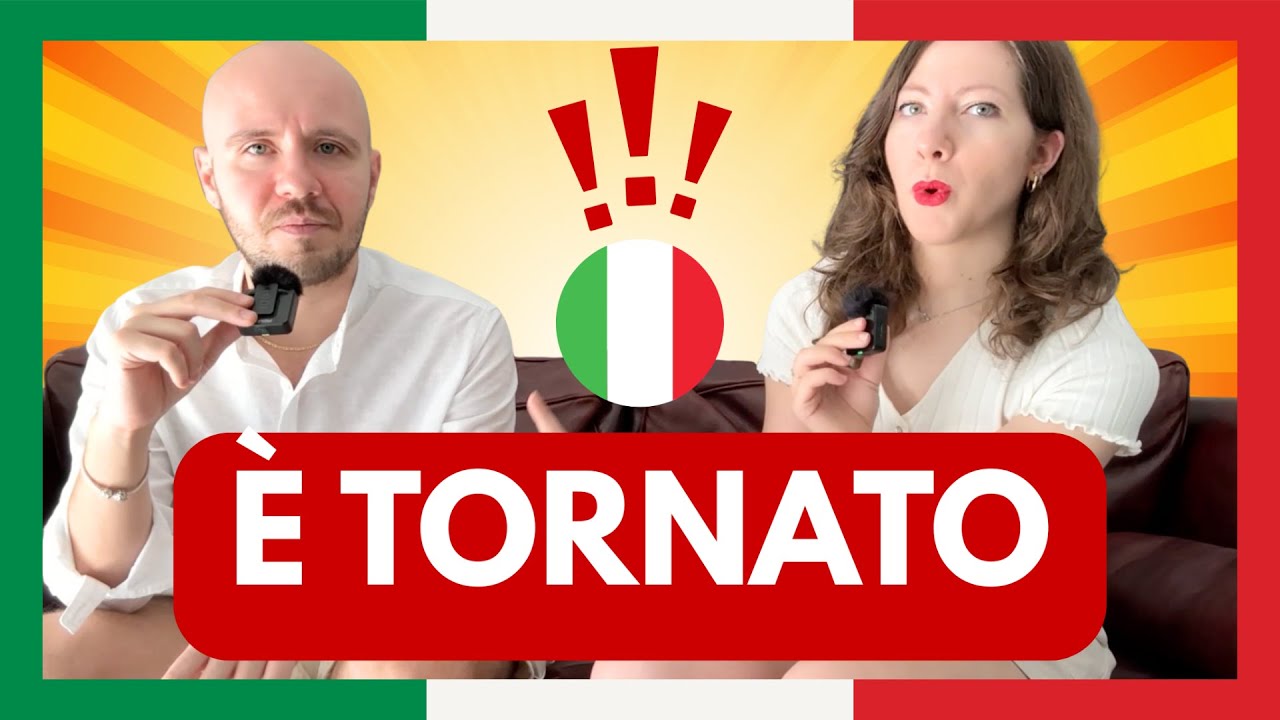
“Chi si rivede!” and Similar Expressions
Classic and Universal Expressions
The most common and versatile expressions are those that can be used in any social context. “Quanto tempo!” [How long it’s been!] represents the most immediate and natural exclamation, perfect for both friends and acquaintances. It’s an expression that conveys genuine surprise and pleasure in seeing the person again.
“Ma guarda chi si vede!” [Look who we have here!] adds a nuance of joy and amazement, while “Che bella sorpresa!” [What a nice surprise!] emphasizes the unexpected and welcome nature of the encounter. These phrases work perfectly whether you meet someone casually on the street or during scheduled events where you didn’t expect to see that particular person.
“Non ci credo!” [I can’t believe it!] expresses disbelief mixed with joy, particularly effective when the encounter happens in very unexpected circumstances, like meeting an old schoolmate on the other side of the world. “Ma che bel vedere!” [What a joy to see you!] is a typically Italian expression that conveys warmth and sincere happiness for the reunion.
Regional and Italianized Dialectal Formulas
Italy is rich in regional variants that enrich the vocabulary of greetings. “Mamma mia, chi si rivede!” [My goodness, look who’s back!] carries with it all the warmth of Southern Italy, while “Madonna che sorpresa!” [Madonna, what a surprise!] adds a touch of emotional intensity typically southern, while remaining comprehensible throughout the country.
From the North comes “Ostrega, sei proprio tu!” [Gosh, it’s really you!], an exclamation that preserves the echo of the Venetian dialect but has spread throughout Italy thanks to its expressiveness. “Ma dai, proprio tu!” [Come on, you of all people!] represents a more neutral but equally effective version for expressing positive amazement.
A particularly affectionate expression is “Guarda che faccia conosciuta!” [Look what a familiar face!], which immediately creates an atmosphere of familiarity and warmth. “Ma dove ti eri cacciato/a?” [Where had you been hiding?] introduces a playful and complicit note, perfect among friends who haven’t seen each other for a long time.
Expressions for Formal and Professional Contexts
In the professional world and in more formal situations, expressions become more elegant and measured. “È davvero un piacere rivederla dopo tanto tempo” [It’s truly a pleasure to see you again after so long] maintains the right formal distance while expressing sincere appreciation for the reunion.
“Che bella coincidenza incontrarla qui” [What a nice coincidence to meet you here] is perfect for professional situations or when meeting someone of higher rank or with whom you had a formal respect relationship. “Non la vedevo da una vita” [I haven’t seen you in ages] represents an elegant compromise between formality and human warmth.
For particularly formal situations, “È passato davvero molto tempo dall’ultimo nostro incontro” [It’s been a really long time since our last meeting] offers a respectful and neutral formula, while “Che piacevole sorpresa ritrovarla” [What a pleasant surprise to find you again] adds a note of kindness without exceeding in familiarity.
Playful and Complicit Expressions
Among close friends and in informal situations, Italians love to use more playful and witty expressions. “Guarda chi torna dal mondo dei vivi!” [Look who’s back from the world of the living!] is perfect when someone had literally disappeared from circulation for a long time, perhaps due to work commitments or relocations.
“Fantasma! Ti davamo per disperso!” [Ghost! We had given you up for lost!] adds a theatrical and playful note, ideal for good-naturedly teasing someone who had stopped being in touch. “Ma dove eri finito/a, su Marte?” [Where had you ended up, on Mars?] introduces an element of pleasant exaggeration that often characterizes Italian humor.
“Pensavo fossi evaporato/a!” [I thought you had evaporated!] is a particularly creative expression that plays on the idea of sudden disappearance, while “Sei risorto dalle ceneri!” [You’ve risen from the ashes!] adds a dramatic-playful touch perfect for someone who reappears after a prolonged period of absence.
One of the most affectionate expressions is “Ehi, straniero/a!” [Hey, stranger!], which while joking about the long absence, maintains a warm and welcoming tone. “Ma che aria tira da queste parti?” [What brings you to these parts?] is perfect when meeting in the neighborhood or city where you used to live together.
Body Language in Italian Greetings
Verbal expressions are always accompanied by characteristic gestures that amplify the meaning of words. The typical Italian hug can vary from a warm handshake accompanied by shoulder pats, to a complete hug with kisses on both cheeks, depending on the degree of intimacy and geographical area.
In Southern Italy, the use of hands to emphasize surprise is common: open palms upward, gestures that mimic amazement, wide movements that involve the whole body. In the North, gestures tend to be more contained but equally expressive, with particular attention to direct eye contact and genuine smiles.
A distinctive element is the physical distance maintained during greetings: Italians tend to significantly reduce personal space when seeing someone again after a long time, approaching physically to create an atmosphere of greater intimacy and human warmth. This behavior can surprise students from cultures where interpersonal distances are greater.
Expressions that Include Immediate Questions
Many greeting expressions naturally transform into immediate questions that demonstrate genuine interest in the other person’s life. “Ma dimmi tutto! Come va la vita?” [Tell me everything! How’s life going?] immediately opens the conversation to a complete update, while “Allora, che mi racconti?” [So, what do you tell me?] invites sharing of the most recent news.
“Cos’hai combinato in tutto questo tempo?” [What have you been up to all this time?] has a playful nuance that presupposes the person has lived interesting experiences, while “Dimmi che non hai cambiato niente!” [Tell me you haven’t changed anything!] expresses affection and the desire to find the person exactly as they were remembered.
“Ancora qui! Pensavo fossi diventato/a famoso/a!” [Still here! I thought you had become famous!] introduces a note of playful compliment, perfect for old friends. “Come sei finito/a da queste parti?” [How did you end up in these parts?] is ideal when the encounter happens in an unexpected place or far from that person’s usual places.
Variations Based on Time Elapsed
The duration of absence significantly influences the choice of the most appropriate expression. For absences of several months, formulas like “Era da un po’ che non ci si vedeva!” [It had been a while since we saw each other!] or “Finalmente! Dove eri sparito/a?” [Finally! Where had you disappeared?] are preferred.
When several years have passed, expressions become more intense: “Non ci credo, sei proprio tu! Quanti anni sono passati?” [I can’t believe it, it’s really you! How many years have passed?] or “Santo cielo, quanto tempo è passato!” [Good heavens, how much time has passed!] express amazement at the long period that has elapsed.
For decade-long absences, particularly common during reunions of old schoolmates or colleagues, expressions like “Ma sei invecchiato/a benissimo!” [You’ve aged beautifully!] followed by “Sembra ieri che…” [It seems like yesterday that…] are used to recall shared memories from the past.
A particularly effective expression for long separations is “I capelli bianchi ti stanno bene!” [Gray hair suits you!] or “Il tempo è stato gentile con te!” [Time has been kind to you!], which playfully acknowledge the passing of years while maintaining a complimentary and affectionate tone.
Specific Expressions for Different Relationships
The type of relationship you had with the person determines important nuances in greetings. For old schoolmates, expressions like “Compagno di banco!” [Desk mate!] or “Ai tempi del liceo eri così diverso/a!” [In high school days you were so different!] immediately recall shared memories and create a nostalgic atmosphere.
With former colleagues, formulas like “Come va la nuova avventura lavorativa?” [How’s the new work adventure going?] or “Ancora nel settore o hai cambiato completamente?” [Still in the field or have you changed completely?] show interest in the person’s professional evolution. “Ti ricordi quando lavoravamo insieme a…” [Do you remember when we worked together on…] followed by a specific memory immediately creates complicity.
For old neighbors, expressions like “Il quartiere non è più lo stesso senza di te!” [The neighborhood is not the same without you!] or “Ti sei trasferito/a ma il cuore è rimasto qui?” [You moved but did your heart stay here?] evoke the sense of community and belonging to the territory that greatly characterizes Italian culture.
With former romantic partners in civil relationships, more neutral but still warm formulas are preferred like “Hai un aspetto fantastico!” [You look fantastic!] or “La vita ti sta trattando bene, si vede!” [Life is treating you well, you can see it!], which acknowledge past history without creating embarrassment.
Expressions that Recall Shared Memories
A distinctive characteristic of Italian greetings between people who knew each other well is the immediate recall of specific memories. “Ti ricordi quando…” [Do you remember when…] followed by a particular episode immediately creates an emotional bridge between past and present, reactivating the complicity of old times.
“Sei sempre lo/la stesso/a di allora!” [You’re still the same as back then!] is a compliment that suggests consistency of character over time, while “Hai mantenuto quello sguardo furbo di una volta!” [You’ve kept that clever look from before!] recalls characteristic traits that have resisted the passage of years.
Expressions like “Mi sembrava di sentire la tua risata da lontano!” [I thought I heard your laughter from afar!] or “Ho riconosciuto subito il tuo modo di camminare!” [I immediately recognized your way of walking!] show how certain unique characteristics of the person have remained imprinted in memory, creating an atmosphere of recovered intimacy.
“Non è cambiato niente tra noi, vero?” [Nothing has changed between us, right?] is a powerful formula that suggests continuity of the bond despite temporal separation, particularly effective between very close friends or family members who don’t see each other regularly but maintain deep affection.
Stop reading Italian.
Start speaking it.
Online lessons in groups of 4, organised by level and goals, with qualified teachers. Pick the day and time that suit you from the available slots.
Max 4 students:
there’s a seat for you
Expressions that Express Regret for the Absence
Often in greetings after long absence, guilt for not having maintained contact also emerges. “Scusa se sono sparito/a, ma sai com’è la vita…” [Sorry if I disappeared, but you know how life is…] acknowledges one’s responsibility in the interruption of the relationship while justifying it with the complications of daily existence.
“Dovevamo sentirci più spesso!” [We should have been in touch more often!] expresses regret for the loss of contact and implicitly proposes to remedy it. “Mi dispiace di non aver fatto più il primo passo” [I’m sorry for not taking the first step more] shows emotional maturity and openness towards renewing the relationship.
“La vita ci ha separati ma il cuore ricorda tutto” [Life separated us but the heart remembers everything] is a more poetic and intense expression, typically Italian in its emotional component, while “Il tempo vola quando non ci si vede abbastanza” [Time flies when you don’t see each other enough] emphasizes how the happiness of the encounter makes even a long period of separation seem brief.
Transition and Continuation Formulas
After the initial surprise of recognition, conversation needs transition formulas that naturally guide towards a more in-depth exchange. “Dimmi tutto, dalla A alla Z!” [Tell me everything, from A to Z!] invites a complete account of the life that has passed, while “Raccontami le tue avventure!” [Tell me about your adventures!] presupposes that the person has lived interesting experiences.
“Allora, cosa ti ha riservato la vita in tutto questo tempo?” [So, what has life reserved for you all this time?] is an open question that allows the other person to choose what to share. “Sei sempre quello/a di una volta o ti sei reinventato/a?” [Are you still the same as before or have you reinvented yourself?] invites reflection on personal changes that have occurred over time.
“Hai ancora quella passione per…” [Do you still have that passion for…] followed by an interest that was known from the past shows memory and attention to the aspects that characterized that person. “Scommetto che hai mille storie da raccontare!” [I bet you have a thousand stories to tell!] expresses genuine curiosity and desire to reconnect the thread of discourse.
Expressions for Casual vs Planned Encounters
The context of the encounter significantly influences the choice of the most appropriate expression. For completely casual encounters, like meeting someone on the street or at the supermarket, expressions like “Ma non è possibile! Proprio tu qui!” [It’s not possible! You of all people here!] emphasize the incredibility of the coincidence.
“Il mondo è davvero piccolo!” [The world is really small!] is perfect for these chance encounters, especially when they happen far from usual places. “Doveva succedere proprio oggi che non sono presentabile!” [It had to happen just today when I’m not presentable!] adds a typically Italian self-ironic note that eases any potential embarrassment about unkempt appearance.
For planned encounters like reunions or events where you know there might be people from the past, expressions become less surprised but no less warm: “Sapevo che ti avrei trovato qui!” [I knew I would find you here!] or “Non potevi mancare a questo evento!” [You couldn’t miss this event!] acknowledge the predictability of the encounter while expressing pleasure in seeing the person again.
Modern and Social Expressions
The digital era has introduced new nuances in greetings after long absence. “Ci seguiamo sui social ma vedersi di persona è tutto un altro mondo!” [We follow each other on social media but seeing each other in person is a whole other world!] acknowledges the difference between virtual contact and real meeting, very felt in Italian culture that enormously values face-to-face relationships.
“Ti vedo sempre su Instagram ma dal vivo sei ancora più bello/a!” [I always see you on Instagram but in person you’re even more beautiful!] has become a common expression among younger generations, while “Digitale è digitale, ma un abbraccio vero vale mille like!” [Digital is digital, but a real hug is worth a thousand likes!] emphasizes the irreplaceable value of direct human contact.
Ironic expressions like “Finalmente ti stacchi dal telefono e ti fai vedere!” [Finally you get off the phone and show yourself!] or “Pensavo esistessi solo in versione avatar!” [I thought you only existed in avatar version!] joke about technological dependence while maintaining an affectionate tone. “Meglio tardi che mai, anche senza filtri!” [Better late than never, even without filters!] plays on the concept of photo filters to compliment the person’s natural appearance.
Practical Advice for Foreign Students
To effectively use these expressions, foreign students should keep in mind some fundamental principles. Enthusiasm is always appreciated in Italian culture: it’s better to seem too happy to see someone again than to appear cold or detached.
Tone of voice is as crucial as words: a “Quanto tempo!” [How long it’s been!] said with a flat voice won’t have the same effect as one pronounced with genuine surprise and pleasure. Italians are very sensitive to emotional nuances and appreciate those who know how to modulate their voice to transmit authentic feelings.
It’s important to adapt the register to the context: using too informal expressions in formal situations, or vice versa, can create discomfort. When in doubt, it’s always better to start with a slightly more formal register and then adjust to the other person’s tone.
Students should also practice managing silences: after the initial greeting expression, it’s normal for there to be a moment of pause where both people look at each other and smile before continuing the conversation. This is not embarrassment, but rather a moment of “emotional reconnection” highly valued in Italian culture.
Quick Reference Table for Common Situations
| Situation | Recommended Expression | Register |
|---|---|---|
| Casual street encounter | “Ma guarda chi si vede!” [Look who we have here!] | Informal |
| Former classmates reunion | “Non ci credo, sei proprio tu!” [I can’t believe it, it’s really you!] | Familiar |
| Professional event | “Che piacevole sorpresa rivederla” [What a pleasant surprise to see you again] | Formal |
| Old disappeared friend | “Fantasma! Ti davamo per disperso!” [Ghost! We had given you up for lost!] | Playful |
| Former neighbor | “Il quartiere non è più lo stesso!” [The neighborhood is not the same!] | Nostalgic |
| Long period (years) | “Santo cielo, quanto tempo è passato!” [Good heavens, how much time has passed!] | Emotional |
| Short period (months) | “Era da un po’ che non ci si vedeva!” [It had been a while since we saw each other!] | Light |
| In presence of third parties | “Guarda che faccia conosciuta!” [Look what a familiar face!] | Inclusive |
Common Mistakes to Avoid
Foreign students often make some typical mistakes in using these expressions. The most common is excessive formality in situations that would require greater human warmth: using “È un piacere rivederla” [It’s a pleasure to see you again] with an old university classmate might seem cold and detached.
Conversely, excessive familiarity in formal contexts can be inappropriate: saying “Ehi, vecchio matto!” [Hey, old crazy!] to a former university professor during an academic conference would definitely be out of place. The key is to carefully observe the other person’s reaction and adjust accordingly.
Another frequent mistake is literal translation from other languages: expressions like “Lungo tempo, nessun vedere” [Long time, no see] (calque from English “Long time, no see”) sound artificial in Italian. It’s always better to use authentically Italian formulas even if they initially seem more complex.
Avoid excessively prolonging the greeting phase: after the initial expression of surprise and pleasure, it’s important to naturally transition towards more substantial conversation. Italians appreciate enthusiasm but also the ability to fluidly evolve communication towards more specific topics.
The Art of Greeting as a Mirror of Italian Culture
Mastering these expressions means understanding a fundamental aspect of the Italian mentality: the importance of human relationships, the value of shared memory, and the ability to transform every encounter into a small celebratory event. Italians consider every reunion after separation as a special occasion that deserves to be emphasized with appropriate words and gestures. For a foreign student, learning these greetings doesn’t just mean acquiring linguistic skills, but also getting in tune with a way of living that values human bonds and knows how to transform everyday life into moments of authentic emotional sharing. These expressions, with their nuances and variations, represent the gateway to understanding the Italian social soul and its unique ability to keep human relationships alive through time and distance.
If you’re interested in the most common expressions said by Italians, read this article!
Find out your LEVEL: take this free Italian test!
Want the lesson PDF with exercises and solutions?
Join the LearnAmo AcademyCaricamento quiz in corso…
Podcast: Play in new window | Download (Duration: 9:11 — 21.0MB)
Iscriviti: Apple Podcasts | Spotify | Android | iHeartRadio | Podcast Index | TuneIn | Deezer | RSS | Altri...