If you’re here it’s because for sure you love Italy and the Italian language. Well, if you were planning to take a vacation in the next months and you don’t want to spend too much money on it, then keep on reading! In this article, you’ll find 10 things you can do in the Bel Paese (Italy), for free!
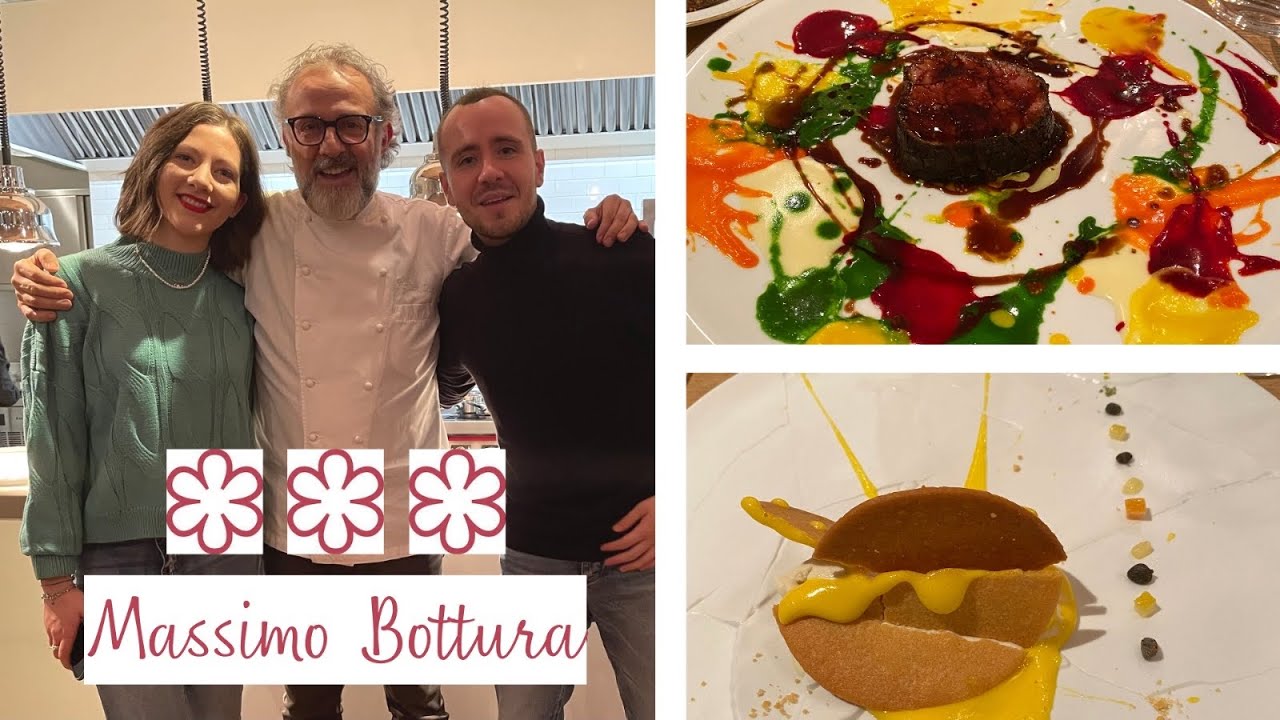
In this article we’re going to put the theoretical study of Italian grammar and Italian culture aside to take you all with us in our three-Michelin-star experience! We have been to the countryside right outside the city of Modena (a city in the region of Emilia-Romagna, in the North of the Country), where Casa Maria Luigia is situated – this is the name of the villa that the Italian star chef Massimo Bottura and his wife Lara have bought and turned into a sort of hotel, a guest house to be precise.
If there’s one expression that all foreigners want to use when speaking italian, that is VALERE LA PENA. In fact, since us italians use it so often, this is one of those verbs that makes your italian sound more natural. We can all agree on that. The problem is that this verbal construct is very peculiar, and it’s easy to get confused. In this video we’ll see the 5 most common mistakes made by foreigners (and also some native speakers) when using the verb VALERE LA PENA.
“MENTRE la festa” or “DURANTE la festa”? “MENTRE facevo” or “DURANTE facevo”? In this lesson we will be talking about MENTRE and DURANTE, two terms that people often confuse with each other, but that are actually used in rather different ways! Let’s shed some light on their differences together…
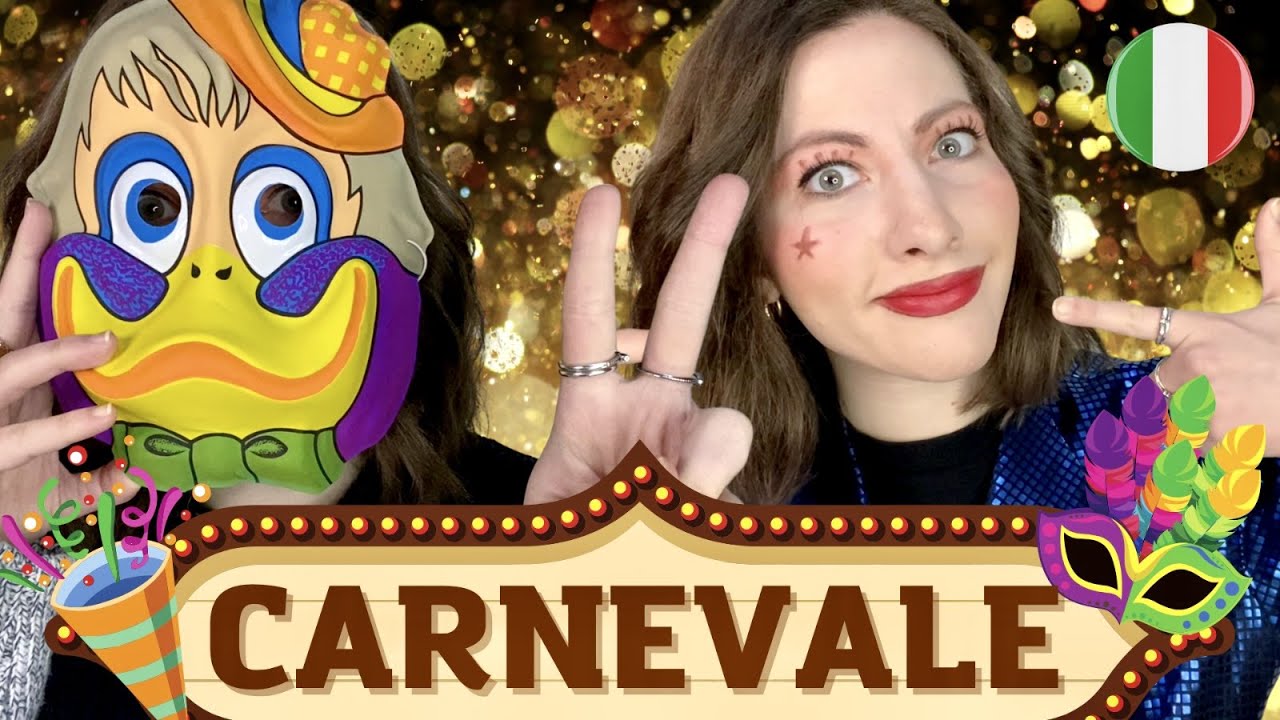
Carnival is just around the corner and here in Italy we are getting ready to celebrate it as it should be! Being a very ancient and widespread festival, each Country celebrates it differently…but you should know that here, each region has its own traditions to celebrate the last day before the start of Lent – and they all do it ingrand style! A few examples of this are parades, dressing-up, special foods, but also masks (and no, it’s not just about makeup ‘masks’). If you are curious to know more about the Italian traditions to celebrate Carnival, its ancient history and all the expressions of our language related to masks, all you must do is continue reading this article!
Even after going through months of learning the conjugation of the four tenses of the subjunctive mood in Italian and also learning how to use it and when to use it, we are still left with a lot of questions regarding the italian subjunctive (questions that even italians often ask). In this lesson, we are going to see 5 DOUBTS (about the SUBJUNCTIVE MOOD) that everybody had at least once in their life and for which they never had an answer. Get your pen and paper! You’re going to need to take notes!