


In this article we’re talking about one of the most mysterious and fascinating objects in Italian culture: the bidet! Yes, you heard right. That strange “second toilet” you find in every Italian bathroom that always makes you wonder: “What is it? How do you use it? Why do Italians have two?”
Get ready to discover one of the most interesting and discussed peculiarities of the Italian daily life!
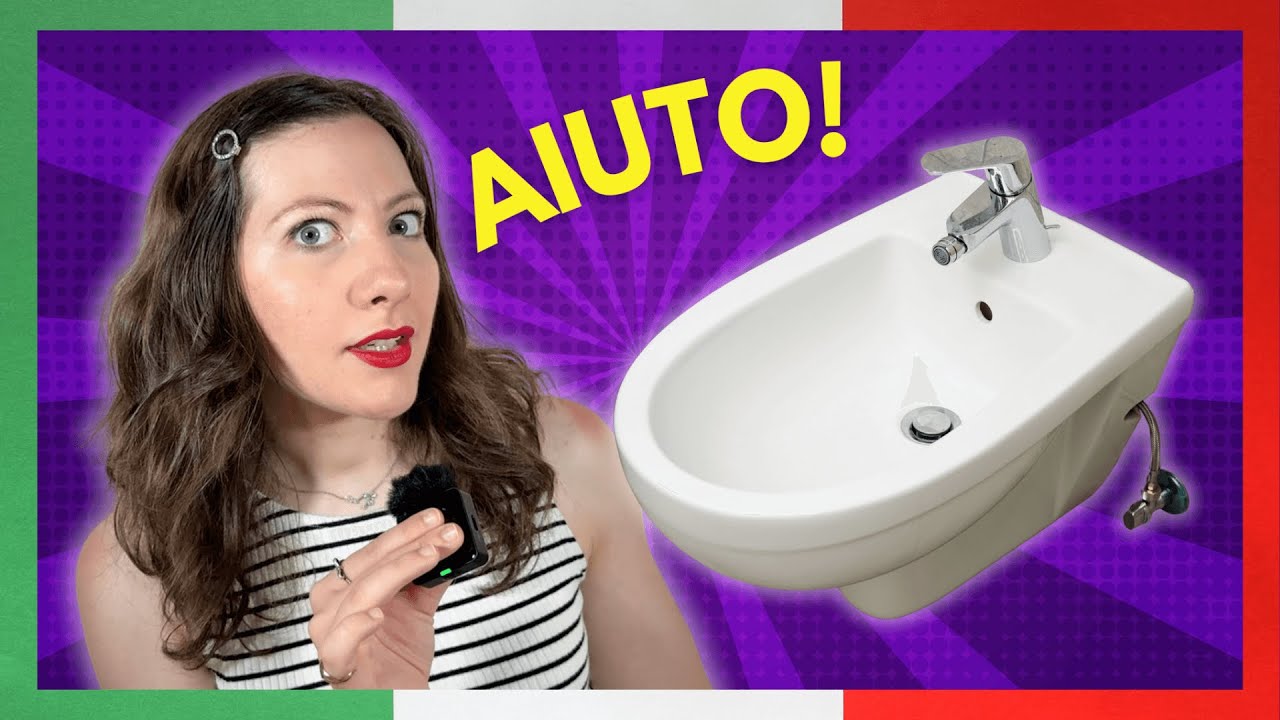
The Bidet and Italy: A Three-Century Love Story
The Origins: A French Story with an Italian Ending
Surprise! The bidet wasn’t born in Italy, but in France in 1700. The name derives from the French word meaning “little horse” – and indeed, to use it, you sit astride it like on a pony! The French invented it for the intimate hygiene of the nobility, but it was the Italians who transformed it into a true national institution.
The first version of the bidet was very different from the modern one: it was a portable basin that was filled with hot water by servants. French court ladies used it in their private chambers, assisted by personal maids. This object was considered a symbol of refinement and economic well-being, accessible only to the wealthiest classes.
While the French gradually abandoned it (what a pity!), considering it too intimate and embarrassing for the morals of the time, the Italians fell madly in love with it, seeing it as an essential element for daily well-being and personal hygiene.
The Bidet Conquers Italy: From 1900 to Today
At the beginning of the twentieth century, the bidet arrives in Italy through the aristocratic families of the North, who imported it directly from France along with other luxury elements for their residences. The first installations were in the villas of the wealthiest families in Milan, Turin, and Venice.
But the real revolution happens in the 60s and 70s, during the Italian economic boom. Italians discover well-being, build new houses with modern bathrooms and… the bidet becomes mandatory by law! Since 1975, every Italian house MUST have a bidet according to ministerial decree n. 975. It’s written black and white in Italian building regulations!
This law was a true cultural revolution: it transformed the bidet from a luxury object to a national housing standard. Builders had to adapt all projects, and even public housing began to be equipped with this fixture. Try building a house without a bidet in Italy and see what bureaucratic complications arise!
The Mystery of the Bidet for Foreigners
Foreigners visiting Italy often remain perplexed and confused by this mysterious object. The most common (and wrong!) interpretations include:
• A second very small toilet: many tourists think it’s a reduced version of the WC, maybe for children or short people. Some even try to use it as such, creating embarrassing situations.
• A foot sink: this is probably the most widespread interpretation. Many foreigners actually use it to wash their feet after a long day of tourism, without knowing they’re improperly using a fixture for intimate hygiene.
• A drinking fountain for children: the height and shape lead some to think it’s designed for small children to drink from. A decidedly unhygienic misunderstanding!
• A place to wash pets: no, please, don’t do it! Even though the height might seem convenient for washing small dogs, this use is considered absolutely inappropriate by Italians.
The Creative Use by Italians
Italians, a people of creatives and pragmatists, have been able to reinvent the use of the bidet in a thousand different ways, transforming it into a multifunctional object:
• Elegant planter: especially Italian grandmothers have transformed the disused bidet into beautiful planters for succulents or colorful flowers. It has become a true decorative element, especially in guest bathrooms.
• Refrigerator for drinks: during summer parties, the bidet filled with ice becomes the perfect cooler for beers, sodas, and wine bottles. A brilliant solution much appreciated during garden dinners!
• Bathtub for newborns: Italian mothers have discovered that the bidet is perfect for bathing very small children. The dimensions are ideal, the height is comfortable to avoid back strain, and the faucets allow easy temperature regulation.
• Wash basin for delicate clothes: silk, fine wool, expensive lingerie… the bidet becomes the ideal place to hand wash the most delicate garments, away from the aggressiveness of the washing machine.
Italian World Records
Italy holds some incredible world records related to the bidet that make it unique in the world:
• 98% of Italian homes own a bidet, the highest percentage in the world. To make a comparison, in France (the country of origin!) only 42% of homes have a bidet, in the United States just 5%.
• Only country with legal obligation: Italy is the only country in the world where the bidet is mandatory by law in all new constructions. Not even in Japan, famous for toilet technology, does such an obligation exist.
• Consumption champions: Italians are first in the world for consumption of toilet paper and intimate hygiene products. Paradoxically, they use more toilet paper precisely because they have the bidet, demonstrating attention to hygiene above the world average.
• Most developed market: Italy has the most varied and technologically advanced bidet market in the world, with models ranging from the most traditional to electronic ones with smart functions.
North vs South: The Regionalisms of the Bidet
Even the bidet, like everything in Italy, has its regional differences that reflect local culture and habits:
In the North: The bidet is more “technical” and functional. Northerners prefer minimal designs, modern faucets with advanced technology, innovative materials like antibacterial ceramic. They use it with almost Swiss precision, following precise and programmed hygiene routines. It’s often integrated into bathrooms with modern and linear design.
In the South: The bidet is more “warm” and familiar. Often decorated and colorful, it’s part of family rituals passed down from generation to generation. Southern mothers teach bidet use like they teach walking! It’s common to find bidets with floral decorations, bright colors, and it’s often surrounded by personal and family objects.
In the Center: As always, Rome and the central regions bridge North and South, even for the bidet! There’s a balance between northern functionality and southern warmth, with solutions that unite practicality and tradition.
The Bidet in Daily Italian Language
In Italy, talking about the bidet is not taboo! On the contrary, it’s part of normal and natural everyday language. It’s common to hear expressions like:
• Example: “Hai fatto il bidet?” [Have you used the bidet?] – The classic question of Italian mothers, pronounced with the same naturalness as “Have you had breakfast?” It’s part of the maternal control routine on children’s hygiene and well-being.
• Example: “Il bidet è rotto!” [The bidet is broken!] – A true domestic drama that requires immediate plumber intervention. It’s considered a domestic emergency on par with a leaking faucet or broken heating.
• Example: “Che bel bidet!” [What a beautiful bidet!] – A sincere compliment for a well-furnished bathroom. Italians know how to appreciate a designer bidet, with elegant faucets and harmonious lines.
• Example: “Senza bidet non riesco a stare!” [I can’t manage without a bidet!] – The confession of many Italians who travel abroad and miss this domestic comfort.
Bidet: Instructions for Correct Use
For the most curious and brave who want to learn the Italian art of the bidet, here’s a detailed guide:
1. Correct timing: It’s ALWAYS used after the toilet, never instead of the toilet! It’s a complement, not a substitute. It’s like dessert after lunch: it completes the experience.
2. Positioning: You can sit facing the faucets or the opposite way. It’s a personal choice! Some prefer to face the faucets for greater control, others prefer the opposite position for comfort.
3. Water temperature: It’s ALWAYS regulated before starting. The water should be lukewarm, never too hot or cold. It’s important to test with your hand before proceeding.
4. Use: Proceed with delicacy and attention, possibly using neutral soap specific for intimate hygiene.
5. Drying: Dry yourself with a specific towel, usually smaller and of a different color than those for hands or face.
Fundamental attention: Never confuse the bidet towel with the one for hands or face! It’s a beginner’s mistake that can create embarrassing situations. Each towel has its specific function!
The Future of the Bidet: Technology and Tradition
The Italian bidet of the 21st century is rapidly evolving, embracing the most advanced technology while maintaining its traditional essence:
• Electronic models: With digital controls, LCD displays, and preset programs for different needs. Some models allow you to save personal preferences for water temperature and pressure.
• Adjustable water jets: Pressure, direction, and temperature controllable with millimeter precision. Some models offer different types of jets: pulsating, massaging, delicate.
• Automatic heating: Heated seat, constant temperature water, and even hot air for automatic drying.
• Smart connection: Some luxury models are equipped with WiFi connection and can be controlled via smartphone apps, with the ability to monitor consumption and receive maintenance notifications.
But the essence remains the same: the Italian love for cleanliness, daily comfort, and attention to personal well-being that transforms a simple hygienic gesture into a moment of self-care.
The Resistance of Grandmothers and Generational Change
Some young Italians, influenced by international lifestyle and travel abroad, are gradually abandoning the daily use of the bidet. This phenomenon particularly worries the older generations.
Italian grandmothers, true guardians of tradition, react with memorable phrases like: Example: “Come fai senza bidet? Che schifo!” [How do you manage without a bidet? How disgusting!] or Example: “Ai miei tempi l’igiene era sacra!” [In my time hygiene was sacred!]. And, to be honest, they’re right! Their battle to keep this tradition alive is testimony to how deeply rooted the bidet is in Italian identity.
However, it’s interesting to note how young Italians who live abroad for extended periods often return to appreciate the bidet when they come back to Italy, recognizing the comfort and practicality they had taken for granted.
The Bidet in Italian Hotels: A Quality Indicator
In Italian hotels, the presence and quality of the bidet are often considered an indicator of the level of service offered. Luxury hotels invest in designer bidets with fine faucets, while its absence in an accommodation facility can be viewed negatively by Italian clients.
Many Italian hotels that welcome international tourists have started putting small illustrated guides in bathrooms to explain the correct use of the bidet, transforming what could be a moment of embarrassment into an educational and cultural opportunity.
The Export of Italian Bidets Worldwide
The Italian sanitary ware industry has made the bidet one of its flagship export products. Italian companies like Ideal Standard, Ceramica Flaminia, and Duravit have brought Italian bidet design and quality worldwide, contributing to spreading this hygiene culture even in traditionally “bidet-free” countries.
Countries like Japan have embraced and reinvented the Italian bidet concept, creating the famous technological toilet seats that combine WC and bidet in a single super-technological fixture. A perfect example of how an Italian idea can evolve and adapt to different cultures.
The Bidet as a Symbol of Italian Identity
The bidet perfectly represents Italy in all its most characteristic aspects: tradition and modernity that coexist harmoniously, practicality and beauty that merge in design, family and individuality that balance in daily habits. It’s an object that tells the story of a people who never give up comfort and self-care, who transform even the simplest gestures into moments of personal attention.
When you visit Italy, don’t be afraid of the bidet. It’s not a mysterious monster, it’s a faithful friend of daily cleanliness! And if you don’t know how to use it or have doubts, ask for help without embarrassment. Italians will be delighted to explain this small but important secret of their daily happiness and well-being.
Always remember: in Italy you can discuss animatedly about politics, football, regional cuisine, art, and history… but you never discuss the usefulness of the bidet. That is sacred, untouchable, fundamental. It’s part of national identity as much as pasta, espresso, and greeting with your hands!
And you, dear LearnAmici, have you ever tried using a bidet during your travels in Italy? Tell us about your experience in the comments! And if you’re Italians living abroad, honestly confess: do you miss the home bidet? How difficult is it to live without this small daily luxury that we take for granted in Italy?
If you want to further expand your vocabulary, read this article about fundamental terms for using public transport in Italy.
Do you want to take Italian lessons with our qualified native teachers? Purchase your Italiano Intensivo package!
Want the lesson PDF with exercises and solutions?
Join the LearnAmo AcademyCaricamento quiz in corso…
Podcast: Play in new window | Download (Duration: 9:48 — 22.4MB)
Iscriviti: Apple Podcasts | Spotify | Android | iHeartRadio | Podcast Index | TuneIn | Deezer | RSS | Altri...