


There are few certainties in life, and one of them is that Italian parents always say the same things. It doesn’t matter the year, the city, or the situation—some phrases are passed down from generation to generation, like an old record that never stops playing. From the dinner table to the post office, from trips to the supermarket, here’s a journey through the expressions we’ve all heard (and that, sooner or later, we might end up repeating).
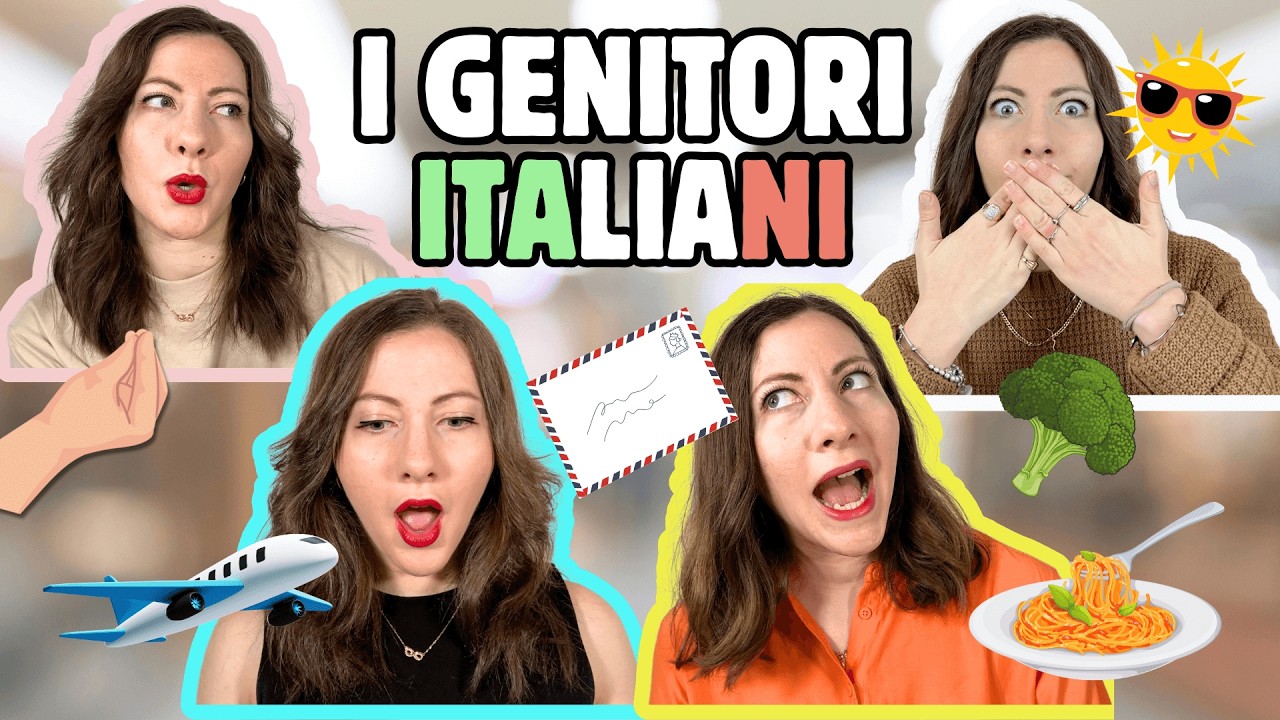
The Most Common Parents Expressions… In Every Context!
Here’s a collection of the most iconic phrases that every Italian parent has said at least once. If you recognize any of them… well, you grew up well!
At the Supermarket
- “Siamo venuti solo per il latte, eh!” (Mezz’ora dopo, il carrello è pieno).
– “We only came for milk, okay?” (Half an hour later, the cart is full). - “Ti giuro che la prossima volta ti lascio a casa con la nonna!” (Spoiler: non succede mai).
– “I swear next time I’ll leave you at home with grandma!” (Spoiler: it never happens). - “Non toccare niente che poi si rompe e ce lo fanno pagare!”
– “Don’t touch anything, or it’ll break and they’ll make us pay for it!” - “No, la marca del supermercato è uguale, fidati, è solo senza pubblicità.”
– “No, the supermarket brand is the same, trust me, it just doesn’t have advertising.” - “Niente merendine con il pupazzetto dentro ho detto!”
– “I said no snacks with a toy inside!” - “Lascia stare il carrello, che lo spingi sempre addosso alla gente! Così ci arrestano.”
– “Leave the cart alone, you always push it into people! We’ll get arrested like this.” - “Perché i commessi cambiano sempre il posto di quello che mi serve? È una cospirazione!”
– “Why do store clerks always move what I need? It’s a conspiracy!” - “Dai, vai tu a prendere il latte! E non tornare dopo mezz’ora con le mani vuote perché non l’hai trovato!”
– “Come on, you go get the milk! And don’t come back half an hour later empty-handed because you couldn’t find it!” - “Perché le uova costano più di una cena fuori? A questo punto faccio prima ad allevarla io una gallina!”
– “Why do eggs cost more than a dinner out? At this point, I might as well raise my own chicken!”
At the beach
1. Sotto l’ombrellone: (Under the beach umbrella)
- “Mettiti la crema! Ti vuoi bruciare come un peperone?”
– “Put on sunscreen! Do you want to burn like a pepper?” - “Non stare sempre attaccato al telefono, guarda che bel mare!” (Sempre colpa del cellulare, vero?)
– “Stop being glued to your phone, look at the beautiful sea!” (It’s always the phone’s fault, right?) - “Questo vento porta via tutto, tra un po’ voliamo anche noi!”
– “This wind is blowing everything away, soon we’ll fly too!” - “Bambini, potete andare un po’ più in là a giocare con la palla? Altrimenti qui arriva tutta la sabbia!”
– “Kids, can you go a bit farther to play with the ball? Otherwise, all the sand comes flying here!”
2. Al mare: (At the sea)
- “Non andare troppo lontano! Ti ho detto di stare dove tocchi!”
– “Don’t go too far! I told you to stay where you can touch the bottom!” - “Esci subito dall’acqua, hai appena mangiato! Almeno tre ore, altrimenti ti si blocca la digestione!”
– “Get out of the water right now, you just ate! At least three hours, or your digestion will stop!” - “Attento alle onde! Non è che poi devo venire io a ripescarti?”
– “Watch out for the waves! Do I have to come and fish you out?”
3. Con il cibo: (With food)
- “Non mangiare troppa anguria, che poi ti gonfi come un pallone!”
– “Don’t eat too much watermelon, or you’ll bloat up like a balloon!” - “Ho fatto le cotolette, la pasta fredda e la parmigiana, perché in spiaggia si deve mangiare leggero!”
– “I made cutlets, cold pasta, and parmigiana, because you have to eat light at the beach!” - “Non bere quell’acqua della bottiglia, è calda come una tisana!”
– “Don’t drink that bottled water, it’s as warm as herbal tea!”
4. Con i bambini: (With the kids)
- “Raccogli i tuoi giochi, che mica siamo a casa!”
– “Pick up your toys, we’re not at home!” - “Ti ho detto di non lanciare la sabbia, finisce sempre negli occhi di qualcuno!”
– “I told you not to throw sand, it always ends up in someone’s eyes!” - “L’estate prossima restiamo a casa!”
– “Next summer, we’re staying home!”
5. Il momento di andare via: (Time to leave)
- “Dai, raccogliamo tutto… No, non puoi fare l’ultimo bagno, ne hai fatti già dieci!”
“Come on, let’s pack everything up… No, you can’t take one last swim, you’ve already had ten!” - “Aiutami a portare qualcosa, che non sono un mulo da soma!”
“Help me carry something, I’m not a pack mule!”
Alle Poste (At the Post Office)
- “Speriamo che non ci sia fila…” (Entra, vede la folla, sospira rassegnato.)
– “Let’s hope there’s no line…” (Walks in, sees the crowd, sighs in resignation.) - “Ma questi numeri li chiamano o li collezionano?” (Dopo aver aspettato 40 minuti senza progressi.)
– “Are they calling these numbers or just collecting them?” (After waiting 40 minutes with no progress.) - “Mi serviva solo un francobollo, mica un mutuo!” (Dopo aver impiegato mezz’ora per un’operazione banale.)
– “I just needed a stamp, not a mortgage!” (After spending half an hour on a simple task.) - “Ma come, apre solo uno sportello su cinque?!” (Dubbio esistenziale di ogni cliente delle Poste.)
– “What? Only one counter out of five is open?!” (The eternal question of every post office customer.) - “Dove si ritira il pacco? Chiedo per il mio pronipote, che forse farà in tempo a riceverlo.”
– “Where do I pick up the package? I’m asking for my great-grandchild, who might actually live to receive it.” - “Signora, il bollettino si paga lì in fondo.”
– “Ma’am, you have to pay the bill at the far end.” - “Mi scusi, dovrei ritirare una raccomandata.”
– “Excuse me, I need to pick up a registered letter.” - “No ma io ormai lo so… Quando vengo qui, non prendo altri impegni perché so già che passerò qui l’intera giornata.”
– “No, but I already know… When I come here, I don’t make any other plans because I know I’ll be stuck here all day.” - “Amore, vai a prendere il numerino… e pure un caffè, che tanto abbiamo tempo.”
– “Honey, go get a number… and a coffee too, we’ve got plenty of time.” - “Eh ma ai tempi miei, almeno i postini consegnavano…” (Momento nostalgia inevitabile.)
– “Back in my day, at least mailmen actually delivered…” (Inevitable nostalgia moment.)
Al mercato (At the market)
- “Questi pomodori sono italiani?” (Interrogatorio al fruttivendolo.)
– “Are these tomatoes Italian?” (Interrogation of the greengrocer.) - “Signora mia, ormai la verdura costa più dell’oro!” (Mentre compra 3 kg di zucchine perché “fanno bene”.)
– “My dear, vegetables cost more than gold these days!” (While buying 3 kg of zucchini because “they’re good for you.”) - “Mi raccomando, niente pesche dure come sassi!” (Segue selezione tattile di ogni singolo frutto.)
– “Make sure there are no peaches as hard as rocks!” (Followed by a thorough tactile inspection of each fruit.) - “Se non mi fai lo sconto vado dal banco accanto!” (Non lo farà mai, ma serve a mantenere alto l’onore.)
– “If you don’t give me a discount, I’ll go to the stall next door!” (They’ll never actually do it, but it’s a matter of honor.) - “Dammi il prezzemolo che tanto lo regali, vero?” (Sacra tradizione del prezzemolo omaggio.)
– “Give me some parsley, you always throw it in for free, right?” (The sacred tradition of free parsley.) - “La mozzarella deve essere di bufala, altrimenti che mozzarella è?”
– “Mozzarella has to be buffalo mozzarella, otherwise, what kind of mozzarella is it?” - “Ma questo pesce è fresco?”
– “Is this fish fresh?” - “Amore, non toccare tutto! Questo non è un museo interattivo!” (Al figlio che infila le mani nei legumi sfusi.)
– “Sweetheart, don’t touch everything! This isn’t an interactive museum!” (To the child sticking their hands into loose legumes.) - “Signora, i miei figli le hanno divorate queste. Sono veramente buone! E loro non sono amanti della frutta!”
– “Miss, my kids devoured these. They’re really good! And they’re not even big fruit lovers!” - “Dai, mettimene una gratis, su… Vengo sempre da te!”
– “Come on, throw one in for free… I always buy from you!”
Stop reading Italian.
Start speaking it.
Online lessons in groups of 4, organised by level and goals, with qualified teachers. Pick the day and time that suit you from the available slots.
Max 4 students:
there’s a seat for you
All’aeroporto (At the airport)
- “Passaporto, biglietti, soldi… Sicuri di avere tutto? Ricontrollate.” (Ogni tre minuti fino all’imbarco.)
– “Passport, tickets, money… Are you sure you have everything? Check again.” (Every three minutes until boarding.) - “Siamo arrivati troppo tardi, guarda che fila! La prossima volta si parte 5 ore prima! E chi non è pronto rimane a casa!”
– “We got here too late, look at this line! Next time, we’re leaving five hours earlier! And whoever isn’t ready stays home!” - “Non buttare via la carta d’imbarco, potrebbe servire!” (A cosa? Nessuno lo sa, ma è sacra.)
– “Don’t throw away the boarding pass, we might need it!” (For what? No one knows, but it’s sacred.) - “Ecco, adesso mi fanno togliere anche la cintura… tra poco mi chiedono pure di spogliarmi!” (Dramma al metal detector.)
– “Great, now they’re making me take off my belt too… soon they’ll ask me to strip!” (Drama at the metal detector.) - “Ha suonato??? Ma io non ho nulla! Mi avete fatto togliere anche le mutande!”
– “It beeped??? But I have nothing! You even made me take off my underwear!” - “Questi panini all’autogrill costano meno!” (Indignazione davanti ai prezzi del duty free.)
– “These sandwiches cost less at the highway rest stop!” (Outrage at duty-free prices.) - “Ma perché non posso portare la mia acqua? Questa cosa non la capirò mai.”
– “Why can’t I bring my own water? I will never understand this.” - “Aspetta, aspetta… e il bagaglio dove lo ritiriamo?” (Sempre con un vago senso di panico.)
– “Wait, wait… where do we pick up the luggage?” (Always with a vague sense of panic.) - “Ti ricordi quando davano il cibo gratis sugli aerei? Bei tempi…” (Momento nostalgia pre low-cost.)
– “Do you remember when they used to give free food on planes? Those were the days…” (Nostalgic moment from pre-low-cost era.) - “Oddio, il gate chiude tra dieci minuti, CORRIAMO!” (Anche se sono davanti al gate da mezz’ora.)
– “Oh no, the gate closes in ten minutes, RUN!” (Even though they’ve been standing in front of it for half an hour.) - “E se poi all’arrivo non troviamo i bagagli?” (Perché l’ansia non va mai in vacanza.)
– “What if our luggage isn’t there when we arrive?” (Because anxiety never goes on vacation.) - “Speriamo che non ci capiti vicino un bambino che urla…” (Detto un attimo prima che un neonato inizi a piangere per tutto il volo.)
– “Let’s hope we don’t get seated next to a screaming baby…” (Said right before a newborn starts crying for the entire flight.)
Al negozio di abbigliamento (At the clothing store)
- “Ma serviva davvero un altro paio di scarpe?” (Spoiler: la risposta del figlio è sempre sì.)
– “Did you really need another pair of shoes?” (Spoiler: the child’s answer is always yes.) - “Non c’è niente di più economico?” (Ogni volta che vede un cartellino prezzo.)
– “Isn’t there anything cheaper?” (Every time they see a price tag.) - “Ti serve davvero o lo vuoi solo perché ce l’hanno tutti?” (Domanda retorica.)
– “Do you really need it, or do you just want it because everyone else has it?” (Rhetorical question.) - “Vai a provarlo, che poi a casa non voglio sentire lamentele! Fai anche qualche passo qui, vedi come te lo senti addosso.” (Perché il rischio del “mi sta stretto” è sempre dietro l’angolo.)
– “Go try it on, I don’t want to hear complaints later at home! Walk around a bit here, see how it feels on you.” (Because the risk of “it’s too tight” is always around the corner.) - “Maglione di lana? Guarda che poi prude, eh!” (Rimando al trauma generazionale della lana grezza.)
– “A wool sweater? You know it’s going to be itchy, right?” (Throwback to the generational trauma of rough wool.) - “Non posso crederci… tutto questo casino e alla fine non hai preso niente?!” (Dopo due ore di shopping senza acquisti.)
– “I can’t believe it… all this fuss and in the end, you didn’t buy anything?!” (After two hours of shopping with no purchases.) - “Ma davvero la moda di oggi è andare in giro con i vestiti strappati?” (Shock culturale di fronte ai jeans destroyed.)
– “Is today’s fashion really about walking around in ripped clothes?” (Cultural shock in front of distressed jeans.) - “Ti piace? Se a te piace va bene. Ma a me non piace, devo dirti la verità.”
– “Do you like it? If you like it, that’s fine. But I have to be honest, I don’t like it.” - “Io aspetto fuori, chiamami quando hai finito.” (Non succederà mai.)
– “I’ll wait outside, call me when you’re done.” (It will never happen.) - “Va bene, lo prendiamo… ma lo metterai almeno due volte, giusto?” (La solita speranza disattesa.)
– “Alright, we’ll buy it… but you’ll wear it at least twice, right?” (The usual false hope.)
A cena a casa (At dinner at home)
- “Ho fatto due cosette veloci.” (Segue tavolata da matrimonio con antipasti, primi, secondi e contorni.)
– “I made a couple of quick things.” (Followed by a wedding banquet with appetizers, pasta, main dishes, and sides.) - “Assaggia almeno, poi se non ti piace non lo mangi.” (Bugia, perché poi parte il senso di colpa.)
– “At least try it, if you don’t like it, you don’t have to eat it.” (Lie, because then the guilt trip starts.) - “A tavola si sta seduti dritti, non sei mica al bar con gli amici!” (Mamma in modalità bon ton.)
– “At the table, you sit up straight, you’re not at the bar with your friends!” (Mom in formal mode.) - “Ma quel telefono lo spegni o vuoi cenare con Mark Zuckerberg?”
– “Are you going to turn off that phone or do you want to have dinner with Mark Zuckerberg?” - “Ho messo solo un filo d’olio.” (Traduzione: almeno mezza bottiglia.)
“I only put a little bit of oil.” (Translation: at least half a bottle.) - “Hai visto? Con il pane si pulisce il piatto! È peccato lasciare la salsa lì. La scarpetta è d’obbligo!”
– “Did you see? You clean the plate with the bread! It’s a shame to leave the sauce there. The ‘scarpetta’ is a must!” - “No, la pasta lunga non si taglia! Ma non ti ho insegnato proprio niente?”
– “No, you don’t cut long pasta! Haven’t I taught you anything?” - “Aglio e cipolla li ho tolti, giuro!” (Spoiler: non è vero.)
– “I took out the garlic and onion, I swear!” (Spoiler: it’s not true.) - “Se non finisci tutto, domani te lo ritrovi a pranzo.”
– “If you don’t finish everything, you’ll find it for lunch tomorrow.” - “Non ti preoccupare, per la dieta inizi lunedì.” (Ma quale lunedì?) “Don’t worry, you’ll start your diet on Monday.” (Which Monday?)
- “Caffè? Ammazzacaffè? Frutta? Dai, ancora un pezzettino di torta!”
– “Coffee? After-dinner drink? Fruit? Come on, just one more little piece of cake!”
Davanti alla TV (In front of the TV)
- “Ma questo chi è? E quell’altro?” (Dopo aver perso i primi 10 minuti del film e pretendendo un riassunto dettagliato.)
– “Who is this? And who’s that?” (After missing the first 10 minutes of the movie and demanding a detailed summary.) - “Ma abbassa il volume, sembra di stare in discoteca!” (Un minuto dopo: “Alza che non si sente niente!”)
– “Turn the volume down, it sounds like a nightclub!” (One minute later: “Turn it up, I can’t hear anything!”) - “A quest’ora non c’è mai niente di bello!” (Segue un’ora di zapping continuo.)
– “At this time, there’s never anything good on!” (Followed by an hour of continuous channel surfing.) - “Oh, questo l’ho già visto… però non mi ricordo come finisce!”
– “Oh, I’ve seen this before… but I don’t remember how it ends!” - “Che bella questa pubblicità, ma di cosa è?” (Domanda che resta senza risposta per sempre.)
– “This ad is nice, but what’s it for?” (A question that goes unanswered forever.) - “Metti il telegiornale, voglio vedere il meteo!” (Seguito da: “Oh, tanto sbagliano sempre!”)
– “Put on the news, I want to see the weather!” (Followed by: “Oh, they always get it wrong anyway!”) - “Ma perché nei film americani mangiano sempre?”
– “Why do they always eat in American movies?” - “Ma possibile che devono baciarsi ogni due minuti?” (Indignazione durante qualsiasi film romantico.)
– “Is it possible that they have to kiss every two minutes?” (Indignation during any romantic movie.) - “Come si chiama quel programma con la sigla che fa NA NA NA NA?”
– “What’s the name of that show with the theme song that goes NA NA NA NA?” - “Questa fiction è brutta… cambiamo.” (Mezz’ora dopo è ancora lì, totalmente coinvolto nella trama.)
– “This show is terrible… let’s change it.” (Half an hour later, they’re still there, completely hooked on the plot.) - “Ora spengo e vado a dormire.” (Segue altra ora davanti alla TV.)
– “I’m turning it off and going to bed.” (Followed by another hour in front of the TV.) - “No no non sto dormendo, sto guardando!” (Russa da più di mezz’ora, con la testa che va in tutte le direzioni.)
– “No no, I’m not sleeping, I’m watching!” (They’ve been snoring for over half an hour, with their head nodding in all directions.)
Cose che dicono i genitori italiani in vacanza all’estero (Things Italian parents say on vacation abroad)
- “Non sembra neanche di essere all’estero, ci sono più italiani qui che a casa!”
– “It doesn’t even feel like being abroad, there are more Italians here than at home!” - “Oh, guarda che bel posto… ma il caffè lo sapranno fare?”
– “Oh, look at this beautiful place… but will they know how to make coffee?” - “Io volevo un caffè però… Questa è acqua sporca!”
– “I wanted a coffee though… this is dirty water!” - “Questa pasta non è come la nostra, eh… ma che ci mettono dentro?!”
– “This pasta is not like ours, huh… what do they put in it?!” - “Aspetta, aspetta… fammi una foto qui! No, rifalla, che avevo gli occhi chiusi.”
– “Wait, wait… take a picture of me here! No, redo it, my eyes were closed.” - “Ma questi negozi non chiudono mai?! E quando riposano?” (Scioccati dal concetto di orario continuato.)
– “Don’t these stores ever close?! When do they rest?” (Shocked by the concept of continuous hours.) - “Quanto costa questa bottiglietta d’acqua?! Ma in Italia la pago un euro!”
“How much does this bottle of water cost?! In Italy, I pay one euro for it!” - “E se perdiamo il passaporto? Dove dobbiamo andare? Chi dobbiamo chiamare?!” (Ansia preventiva non richiesta.)
– “What if we lose our passport? Where do we go? Who do we call?!” (Unsolicited preventative anxiety.) - “Attento al portafoglio, che qui ci sono i borseggiatori!” (Anche se sono in un quartiere super sicuro.)
– “Watch out for your wallet, there are pickpockets here!” (Even though they’re in a super safe neighborhood.) - “Ma guarda come guidano, questi fanno peggio di noi!”
– “Look at how they drive, they’re worse than us!” - “Ah, questi pranzi veloci… io senza primo e secondo non mi sento sazio!”
– “Ah, these quick lunches… I don’t feel full without a first and second course!” - “Dai, parlo io con loro… ‘Scus, du caffè, pleeees’.” (Tentativo disperato di comunicazione in italo-inglese.)
– “Come on, I’ll speak to them… ‘Scus, two coffees, pleeees’.” (Desperate attempt at communication in Italo-English.) - “Ma queste prese di corrente non sono come le nostre! E adesso come lo carico il telefono?!”
“But these power outlets aren’t like ours! How am I supposed to charge my phone now?!” - “Quando sei all’estero però… Quanto ti manca l’Italia!”
– “But when you’re abroad… You miss Italy so much!”
In pizzeria (At the pizzeria)
- “Io prendo una margherita… semplice! Ma poi mi fai assaggiare la tua?” (Strategia avanzata per mangiare due pizze al prezzo di una.)
– “I’ll have a margherita… simple! But then, can I try yours?” (Advanced strategy to eat two pizzas for the price of one.) - “Due antipastini li prendiamo anche?”
“Shall we also get two small appetizers?” - “Non prenderla troppo farcita che poi ti rimane sullo stomaco.” (Ma poi loro ordinano la quattro formaggi con salsiccia.)
– “Don’t get it too loaded, or it’ll sit heavy on your stomach.” (But then they order the four-cheese pizza with sausage.) - “Ma è cotta bene sotto?” (Gira la pizza come un ispettore Michelin.)
– “Is it cooked well on the bottom?” (Turning the pizza like a Michelin inspector.) - “Il cornicione lo lasci? Ma sei matto?! È la parte migliore!”
– “You’re leaving the crust? Are you crazy?! It’s the best part!” - “Io la pizza la taglio con coltello e forchetta, mica come voi giovani!” (Momento di sdegno verso chi la mangia con le mani.)
– “I cut my pizza with a knife and fork, not like you young people!” (Moment of disdain for those who eat it with their hands.) - “Non è come quella di Napoli, ma dai, si lascia mangiare.” (Recensione sempre con un po’ di snobismo.)
– “It’s not like the one in Naples, but hey, it’s edible.” (Review always with a bit of snobbery.) - “Aspetta che arriva il cameriere, così chiediamo se la fanno più sottile.”
– “Wait for the waiter to come, then we can ask if they make it thinner.” - “La lasci? Dalla a me dai… Mi sacrifico! La prossima volta, però, non prendiamo antipasti!” (Spoiler: li riprenderanno)
– “You’re leaving it? Give it to me… I’ll sacrifice myself! Next time, though, let’s not get appetizers!” (Spoiler: they’ll order them again.)
A Natale (At Christmas)
- “Quest’anno facciamo una cosa semplice.”
– “This year, let’s keep it simple.” (Followed by a feast that could feed an army.) - “Ma a che ora arriva tua zia?”
– “What time is your aunt arriving?” (Rhetorical question, since she’s always late and arrives with a tray of lasagna.) - “Non mangiate troppo che tra poco si pranza.”
– “Don’t eat too much, lunch is soon.” (At 10:30 AM, while offering appetizers and cured meats.) - “Dai, apriamo i regali prima del pranzo, così poi ci rilassiamo!”
– “Come on, let’s open the presents before lunch, then we can relax!” (Followed by chaotic scenes of torn wrapping paper everywhere.) - “Chi vuole ancora un po’ di panettone? Con o senza canditi?”
– “Who wants more panettone? With or without candied fruit?” (And the existential debate begins.) - “Dopo si gioca a tombola! Così non state sempre al cellulare!”
– “Afterwards, we’re playing tombola! That way, you won’t be on your phones all the time!” (And no one can refuse, or they’ll be excluded from the family.) - “No, niente dieta oggi. Si ricomincia a gennaio!”
– “No diet today. We’ll start again in January!” (Lie: January is still full of leftovers.) - “Oh, che bello il Natale… ma che stress!”
– “Oh, how lovely Christmas is… but what a stress!” (Said while cleaning the kitchen with a sense of defeat.)
Buy our new book: “Parole Di Casa Mia: Un Viaggio Nei Colloquialismi Italiani“, and learn all the colloquial expressions to speak like a true native speaker!
If you’ve been invited to lunch or dinner at an Italian’s home but don’t know what to say when asked, “So, how was the food?”, you can watch the video in which I present all the most common expressions Italians use to give opinions and judgments about food (positive, neutral, and negative) in Italian.
See you next time!
Want the lesson PDF with exercises and solutions?
Join the LearnAmo AcademyCaricamento quiz in corso…
Podcast: Play in new window | Download (Duration: 11:50 — 16.5MB)
Iscriviti: Apple Podcasts | Spotify | Android | iHeartRadio | Podcast Index | TuneIn | Deezer | RSS | Altri...