


I was in Bari and recorded a vlog to take you with me to discover the famous “orecchiette street”, one of the most authentic symbols of Bari tradition. A unique place where women prepare fresh pasta by hand directly on the street! Come with me!
Bari Orecchiette: A Journey into Apulian Tradition
When talking about handmade fresh pasta, few places in the world can boast an ancient and authentic tradition like that of Bari, in the heart of Puglia. Here, in the old town of the city, there is a special street where time seems to have stopped: Strada dell’Arco Basso [Arco Basso Street], known by the people of Bari (and beyond) as the “orecchiette street”.
An Art Passed Down from Generation to Generation
The orecchiette – literally “little ears” due to their particular shape – are the symbol of Apulian cuisine. This typical pasta is prepared exclusively by hand, following a recipe that has been handed down from mother to daughter for centuries.
Walking through Strada dell’Arco Basso, especially in the morning hours, you can witness a unique spectacle: the women of the neighborhood sit in front of their houses with a wooden board (cutting board) and prepare orecchiette right before your eyes. This picturesque scene represents a living heritage that resists modernization and keeps alive the most authentic traditions of Southern Italy.
The Sacred Ritual of Preparation
The preparation of orecchiette is a true ritual that begins at dawn. The ingredients are of disarming simplicity: durum wheat flour, lukewarm water and a pinch of salt. But the mastery is all in the expert hands of these women, who with a blunt knife shape each individual orecchietta with quick and precise gestures, passed down through generations of culinary wisdom.
The process is mesmerizing to watch: the dough is rolled out with a rolling pin until a thin but resistant sheet is obtained, then cut into small regular pieces. Each piece is then dragged with the knife to create the characteristic concave shape, that “little ear” that will give the pasta its name. A movement that seems simple but requires years of practice to be mastered to perfection.
The Secrets of Traditional Technique
The technique for creating perfect orecchiette involves a series of precise movements that grandmothers teach their granddaughters with infinite patience. The thumb pad is the main tool: it must press the dough with the right intensity to create the characteristic concavity without piercing the sheet. The execution speed is fundamental: an experienced woman can make up to 500 orecchiette in an hour, always maintaining the same quality and size.
The Apulian climate plays a fundamental role in the process: the air humidity must be just right, neither too dry nor too humid, otherwise the pasta will not have the perfect consistency. For this reason, orecchiette are mainly prepared during the early hours of the morning, when the air is still cool and humid from the night.
An Unforgettable Encounter with Tradition
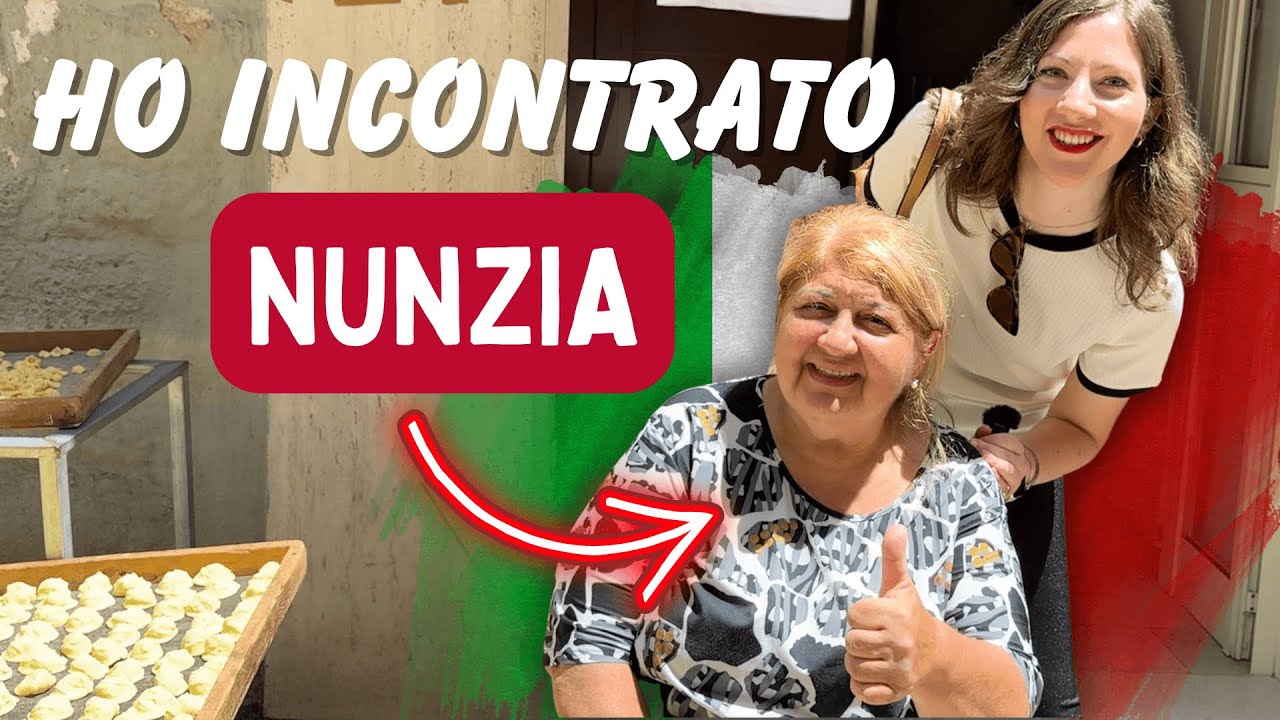
During my visit to Bari, I was fortunate to come across one of these incredible pasta artisans. It was a touching and authentic moment, which allowed me to get in touch with a millennial tradition still alive and vibrant. Signora Nunzia [Mrs. Nunzia] welcomed me with the warm smile typical of the Apulians and showed me all the secrets of her art.
With confident gestures and sweet words, she explained to me how the quality of the flour is fundamental: it must be Apulian durum wheat, stone-ground to maintain all the nutritional properties and authentic flavor. She showed me how to knead with energy for at least ten minutes, until obtaining a smooth and elastic mixture that does not stick to the hands.
Family Stories and Historical Memory
Signora Nunzia told me that her family has been preparing orecchiette for at least five generations. Her grandmother taught her the art when she was just seven years old, during World War II, when homemade pasta was often the only available food. “Le orecchiette ci hanno salvato dalla fame” [The orecchiette saved us from hunger], she told me with teary eyes, remembering those difficult times when culinary creativity became a matter of survival.
Every family in the old town has its own small variations in the recipe: there are those who add a drop of olive oil to the dough, those who prefer slightly salted water, those who let the pasta rest longer. These family secrets are passed down like precious treasures and represent the unique identity of each Apulian household.
The Perfect Marriage with Cime di Rapa
Orecchiette find their highest culinary expression in the pairing with cime di rapa [turnip tops], creating one of the most representative dishes of Apulian cuisine. This slightly bitter vegetable, typical of the territory, pairs perfectly with the rough texture of orecchiette, which perfectly retain the sauce in their small “hollows”.
The traditional preparation requires that the cime di rapa be boiled in the same water as the orecchiette, to maintain all the flavors and nutritional properties. The seasoning is completed with garlic, Apulian extra virgin olive oil, chili pepper and, for those who love intense flavors, salted anchovies that add a savory and marine note to the dish.
Seasonal and Territorial Variants
In addition to the classic pairing with cime di rapa, orecchiette lend themselves to numerous seasonal variants. In spring they are served with fresh broad beans and pecorino cheese, in summer with Pachino cherry tomatoes and basil, in autumn with cardoncelli mushrooms and in winter with mixed meat ragù that cooks for hours in typical Apulian terracotta pots.
Each area of Puglia has developed its own local specialties: in Salento they are often found dressed with ricotta forte [strong ricotta] and wild rocket, in Murgia with lampascioni [wild onions] and pancetta, while in Gargano the pairing with fresh seafood of the day is preferred.
A Cultural Heritage to Preserve
Orecchiette are not just food: they represent the cultural identity of a people, the resistance of ancient traditions in the modern world, and above all the bond between generations. Seeing these women at work means taking a dive into the past and understanding how important it is to preserve our cultural roots.
In 2019, the art of preparing orecchiette was recognized by UNESCO as an intangible cultural heritage of humanity, a recognition that underlines the importance of this tradition not only for Italy, but for the entire world. This recognition has brought new awareness about the importance of passing on these skills to new generations.
Initiatives for Safeguarding Tradition
Today in Bari there are several initiatives to keep this tradition alive. The Municipality has organized free courses to teach the art of orecchiette to young people, while some cultural associations have created educational workshops where tourists can learn the technique directly from the grandmothers of the neighborhood.
Many restaurants in the historic center have also adopted the policy of purchasing orecchiette exclusively from local artisans, thus guaranteeing both the authenticity of the product and the economic sustenance of these women who carry on a millennial tradition.
The Nutritional Value of Artisanal Orecchiette
From a nutritional point of view, artisanal orecchiette offer significant advantages compared to industrial pasta. The use of Apulian durum wheat flour, rich in proteins and minerals, gives this pasta a high biological value. The manual processing, moreover, keeps the properties of gluten intact, making the pasta more digestible and nutritious.
The process of natural air drying, which can last up to 48 hours, allows the pasta to maintain perfect consistency even after cooking, guaranteeing that particular “al dente” effect that characterizes true Italian pasta. This traditional drying method also preserves the micronutrients present in wheat, often lost in high-temperature industrial processes.
The Complete Sensory Experience
When you taste orecchiette with cime di rapa prepared according to tradition, you are not just eating a delicious dish: you are tasting centuries of history, passion and tradition. The intense flavor of the wheat, the perfect consistency of the pasta and the unmistakable aroma of Apulian oil create a complete sensory experience that involves all the senses.
The characteristic noise heard walking through Strada dell’Arco Basso – the rhythmic drumming of knives on the cutting board – has become the soundtrack of the old town. This sound, together with the scent of flour and the chatter of women at work, creates a magical atmosphere that transports visitors to a distant era, when time flowed more slowly and daily gestures had a sacred value.
Tips for Perfect Tasting
To best appreciate artisanal orecchiette, it is important to follow some fundamental precautions. Cooking must take place in abundant salted water (at least one liter for every 100 grams of pasta) and the cooking time varies from 12 to 15 minutes, depending on the thickness of the pasta. The secret is to taste them frequently in the last minutes of cooking to reach perfect consistency.
The final mantecatura [creaming] with the sauce is crucial: the orecchiette must be combined with the sauce while still steaming and mixed vigorously for at least one minute, adding if necessary a little cooking water to create the right creaminess. This step allows the pasta to completely absorb the flavors of the sauce.
Gastronomic Tourism and Economic Impact
The orecchiette phenomenon has generated an important tourist economy for the city of Bari. Thousands of visitors every year walk through Strada dell’Arco specifically to witness the preparation of pasta and buy the fresh product from the hands of the artisans. This gastronomic tourism has contributed significantly to the enhancement of the historic center and to the livelihood of local families.
International cooking schools regularly organize study trips to Bari to teach their students traditional pasta preparation techniques. These educational programs have brought the fame of Bari orecchiette all over the world, contributing to the spread of Apulian gastronomic culture at a global level.
Frequently Asked Questions about Gastronomic Tours
What is the best time to visit Strada dell’Arco Basso? The morning hours, from 8:00 to 12:00, are ideal because that’s when the ladies prepare fresh pasta for the day. In the afternoon, production slows down and some artisans close their stations.
Is it possible to participate in preparation workshops? Yes, many of the ladies in the neighborhood offer informal mini-courses upon request. It is enough to approach with respect and ask if it is possible to learn. Most of them will be happy to teach the rudiments of the technique to those who show genuine interest.
How much do fresh orecchiette cost? The price varies from 4 to 6 euros for half a kilo of fresh pasta, a cost that reflects the artisanal work and the quality of the ingredients used. Many ladies also sell fresh cime di rapa to complete the traditional dish.
Specialized Culinary Glossary
To fully understand the world of orecchiette, it is useful to know some specific technical terms:
Spianatoia [wooden board]: solid wood board, usually beech, used to work pasta. It must be perfectly smooth and dry to prevent the pasta from sticking.
Coltello smussato [blunt knife]: tool with a non-sharp blade, specifically designed to drag pasta without cutting it. Often passed down from generation to generation as a precious family tool.
Mantecatura [creaming]: final mixing technique that allows pasta to blend perfectly with the sauce, creating a creamy and homogeneous emulsion.
Cime di rapa [turnip tops]: typical Apulian vegetable (Brassica rapa), characterized by fleshy leaves and small yellow flowers. In English known as “turnip tops” or “broccoli rabe”.
Borgo antico [old town]: denomination of the historic center of Bari, enclosed by ancient medieval walls and characterized by narrow alleys and houses in local white stone.
Do you have a trip to Bari, Italy (or anywhere else in the world) planned and need Internet on your cell phone? Try Saily, the e-sim that gives you Internet abroad from the moment you land! Use the coupon code LEARNAMO to get a special discount!
A Similar Experience
If you liked this vlog, don’t miss the supermarket vlog: we’ll go shopping together and you’ll learn many useful words for everyday life in Italy!
Want the lesson PDF with exercises and solutions?
Join the LearnAmo AcademyCaricamento quiz in corso…
Podcast: Play in new window | Download (Duration: 18:43 — 26.1MB)
Iscriviti: Apple Podcasts | Spotify | Android | iHeartRadio | Podcast Index | TuneIn | Deezer | RSS | Altri...