


I’m taking you with me through the colors, scents, and sounds of the countryside, far from the chaos of the city. We’ll walk together through the fields and learn lots of new words and expressions related to the world of nature in Italian.
If you feel like switching off and breathing some fresh air… this is just what you need!
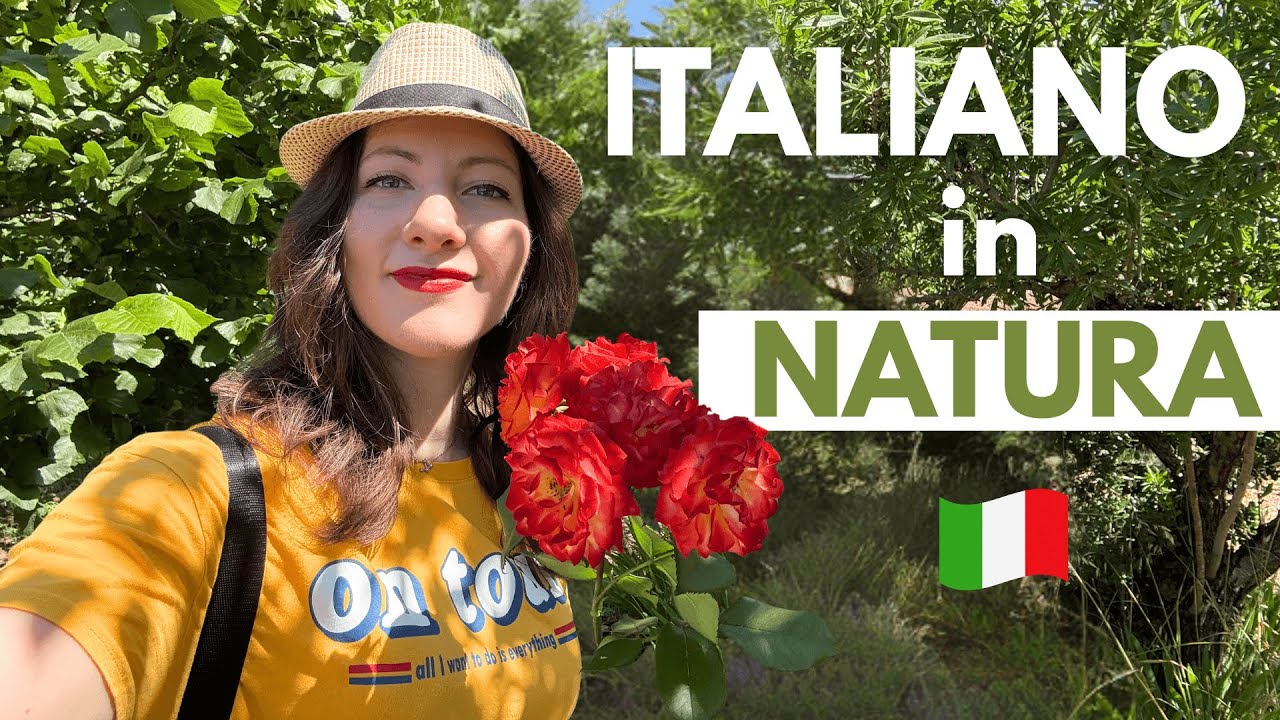
The Italian Countryside: Vocabulary
The Language of the Land: Rural Expressions in Everyday Language
Many commonly used Italian expressions have agricultural origins that foreign students often don’t recognize. When an Italian says “Raccogliere quello che si semina“ [reaping what you sow], they’re not literally talking about agriculture, but using a peasant metaphor to indicate the consequences of one’s actions. This phrase reflects the rural mentality according to which every action has direct and inevitable consequences, just like in agriculture.
The expression “Non tutte le ciambelle riescono col buco“ [not all donuts come out with holes] derives from rural culinary traditions and means that not everything always goes as planned. In country houses, making bread and sweets was a complex daily activity, and even the most expert cooks could have occasional failures.
Phrases like “Chi va piano, va sano e va lontano“ [slow and steady wins the race] reflect the peasant philosophy of constant and patient work. In the countryside, haste was considered the enemy of quality: farmers knew that forcing natural timing inevitably led to poor results.
Essential rural expressions for students:
• “Fare il fieno mentre c’è il sole“ [make hay while the sun shines] – Take advantage of the right moment
• “Essere un cavolo a merenda“ [being a cabbage at snack time] – Being out of place
• “Avere il pollice verde“ [having a green thumb] – Being good with plants
• “Tagliare i ponti“ [cutting bridges] – Permanently breaking off relationships
• “Seminare zizzania“ [sowing weeds] – Creating discord
• “Mettere il carro davanti ai buoi“ [putting the cart before the oxen] – Doing things in the wrong order
Seasonal Rhythms: When Nature Dictated the Rules
Life in the countryside followed precise seasonal rhythms that have profoundly influenced the Italian cultural calendar. Each season brought with it specific activities, culinary traditions and celebrations that still characterize Italian life today. For foreign students, understanding these cycles means understanding why certain foods are only available in certain periods and why some holidays have specific dates.
In spring, farmers began sowing and preparing the fields. This period was associated with rebirth and hope, concepts that are reflected in expressions like “Aprile dolce dormire“ [sweet sleeping in April] or “Marzo pazzerello“ [crazy March]. Peasant families organized the “pulizia di primavera“ [spring cleaning] (Easter cleaning), a tradition that many Italian families still maintain today.
Summer represented the most intense period, with grain harvesting, reaping and preparation of preserves for winter. The saying “D’estate si lavora per l’inverno“ [in summer you work for winter] reflects this typically rural mentality of long-term planning. Summer festivals were born precisely as celebrations of abundant harvests.
Autumn brought the grape harvest, olive picking and wine preparation. Many Italian culinary traditions, such as preparing tomato sauce or pickles, derive from the need to preserve autumn products for the winter months.
Winter was the period of field rest but also of intense domestic work: spinning, weaving, tool repair and preparation for the next season. Long winter evenings favored storytelling and the transmission of oral traditions.
Seasonal vocabulary for students:
• Semina: planting seeds in the fields
• Mietitura: grain harvest
• Vendemmia: grape harvest
• Trebbiatura: separation of grain from straw
• Potatura: pruning branches to encourage growth
• Aratura: preparing the soil with a plow
Peasant Cuisine: The Art of Wasting Nothing
Italian peasant cuisine represents one of the country’s most important cultural heritages, based on the fundamental principle of wasting absolutely nothing. This culinary philosophy gave rise to dishes that today are considered world gastronomic excellences, but which were born from the need to use every part of the available ingredients.
The concept of “cucina povera“ [poor cuisine] doesn’t indicate poor quality food, but rather a creative cuisine that transformed simple and economical ingredients into tasty and nutritious dishes. For example, the Tuscan ribollita was born from the need to use stale bread and leftover vegetables, while pasta e fagioli [pasta and beans] combined carbohydrates and vegetable proteins in a complete and economical dish.
In peasant houses, every part of the animal was used: from frattaglie [offal] (intestines, liver, kidneys) came dishes like Roman coratella or Piedmontese finanziera. Pig’s blood became blood sausage, bones were used for broth, and even vegetable scraps were transformed into nutritious soups.
Food preservation was a fundamental art: tomatoes became sauce or peeled tomatoes, vegetables were put in oil or pickled, meats were salted, smoked or made into sausages. These techniques gave rise to products today considered luxury items, such as Parma ham, bresaola or Calabrian ‘nduja.
Famous peasant dishes and their history:
• Panzanella: Tuscan salad with stale bread and fresh vegetables
• Acquacotta: Maremma soup with wild vegetables and egg
• Pasta e ceci: complete dish of carbohydrates and vegetable proteins
• Polenta: corn flour that replaced bread in mountain areas
• Frittata di verdure: way to use leftover vegetables with eggs
• Minestrone: soup that used all available seasonal vegetables
Traditional Preservation Techniques
Peasant families had developed sophisticated preservation methods that allowed them to have nutritious food all year round. The “sotto sale“ [under salt] technique preserved meats and cheeses, while “sott’olio“ [in oil] kept vegetables and cooked meats fresh. “Affumicatura“ [smoking] not only preserved foods but added distinctive flavors that today characterize many regional specialties.
The preparation of homemade preserves followed precise rituals handed down from generation to generation. Each family had its own secret recipes and methods, creating unique culinary traditions that still today distinguish one town from another, sometimes even within the same region.
Popular Wisdom: Proverbs and Sayings from Rural Tradition
Peasant proverbs represent a heritage of wisdom accumulated through centuries of observation of nature and human experience. For foreign students, knowing these sayings means having access to a deeper level of Italian communication, since many are still used in daily conversations.
The proverb “Rosso di sera, bel tempo si spera“ [red sky at night, sailors’ delight] reflects the empirical meteorological knowledge of farmers, who observed the colors of the sky to predict the weather for the next day. This popular wisdom was based on accurate observations accumulated over generations.
“Chi dorme non piglia pesci“ [he who sleeps doesn’t catch fish] emphasizes the importance of action and active commitment to obtain results. In rural communities, success depended directly on industriousness and personal determination.
The saying “L’erba del vicino è sempre più verde“ [the grass is always greener on the other side] describes the human tendency to envy what others possess, a phenomenon particularly visible in small agricultural communities where everyone knew their neighbors’ living conditions.
Many proverbs also reflect fundamental moral values: “Chi fa da sé fa per tre“ [he who does for himself does for three] exalts self-sufficiency, while “L’unione fa la forza“ [union makes strength] recognizes the importance of collaboration, essential during the most demanding agricultural work such as harvesting or grape picking.
Rural proverbs still used today:
• “Gallina vecchia fa buon brodo“ [old hen makes good broth] – Experience has value
• “Non dire gatto se non ce l’hai nel sacco“ [don’t say cat if you don’t have it in the bag] – Don’t boast before getting results
• “A caval donato non si guarda in bocca“ [don’t look a gift horse in the mouth] – Accept gifts without criticizing
• “Il lupo perde il pelo ma non il vizio“ [the wolf loses its hair but not its vice] – People rarely change their nature
• “Tra il dire e il fare c’è di mezzo il mare“ [between saying and doing there’s an ocean] – It’s easier to talk than to act
• “Chi troppo vuole nulla stringe“ [he who wants too much grasps nothing] – Excessive greed leads to failure
Peasant Festivals: Celebrations that Unite Communities
Village festivals represent one of the most authentic aspects of Italian rural culture that continues to thrive even in the modern era. These celebrations originally arose as thanksgiving for abundant harvests and as moments of social cohesion after periods of intense work in the fields.
Every Italian town has its own characteristic festival linked to local products: the truffle festival in Alba, the onion festival in Tropea, the chili pepper festival in Calabria, or the chestnut festival in many mountain areas. These celebrations are not simple gastronomic events, but true manifestations of local identity that preserve traditions, recipes and ancient processing techniques.
During festivals, the entire community mobilizes: women prepare traditional dishes according to orally handed-down recipes, men take care of logistical organization and entertainment, while young people learn culinary secrets and town stories. These events function as popular universities where practical knowledge and cultural values are transmitted.
Festivals often follow the agricultural calendar: spring ones celebrate the first harvests (asparagus, artichokes), summer ones celebrate garden products (tomatoes, eggplants, zucchini), autumn ones celebrate ripe fruits (grapes, olives, chestnuts, mushrooms), while winter ones focus on preserved products and more substantial dishes.
Types of Italian festivals:
• Sagre di prodotti tipici: celebrate specific local specialties
• Feste del raccolto: thanksgiving for earth’s products
• Sagre religiose: combine devotion and culinary traditions
• Feste dell’artigianato: showcase traditional rural crafts
• Sagre stagionali: follow the rhythm of agricultural seasons
• Feste patronali: honor patron saints of towns
The Social Importance of Festivals
For foreign students, participating in a village festival represents a total immersion in authentic Italian culture. These events offer the opportunity to listen to local dialects, observe traditional social dynamics and taste foods prepared according to original recipes that often differ significantly from commercial or tourist versions.
Festivals also function as living museums where ancient agricultural techniques, traditional crafts and customs that would otherwise be lost are demonstrated. It’s common to see elderly people teaching visitors how to make bread in wood-fired ovens, how to produce cheese or how to work ceramics according to methods handed down for centuries.
Lost Trades: Professions that Tell History
Many traditional trades of the Italian countryside have disappeared with modernization, but their traces remain in the language, in Italian surnames and in local traditions. Understanding these trades helps foreign students grasp aspects of Italian culture that would otherwise be incomprehensible.
The mugnaio [miller] was a central figure in rural communities, responsible for transforming wheat into flour. Mills were often located along rivers or in windy positions to exploit natural energy. The saying “Portare l’acqua al proprio mulino“ [bringing water to one’s own mill] derives precisely from this activity and means orienting situations to one’s own advantage.
The maniscalco [blacksmith specialized in horseshoeing] was indispensable when horses were the main means of transport and work. His workshop was often a center of social aggregation where town news was discussed. The expression “battere il ferro finché è caldo“ [strike while the iron is hot] derives from the blacksmith’s work and means to act when conditions are favorable.
The carbonaio [charcoal burner] produced charcoal in forests, often living in isolation for weeks. His knowledge of trees and combustion techniques was fundamental for providing energy to communities. Many Italian surnames like Carbone, Carbonelli or Carboni derive from this trade.
Traditional rural trades:
• Zappatore: worked the land with a hoe
• Mietitore: specialized in grain harvesting
• Pastore: guarded and guided animals to pasture
• Casaro: produced cheeses and dairy products
• Bottaio: built barrels for wine and oil
• Sellaio: made saddles and horse harnesses
• Cestaio: wove baskets and containers from wicker
The Italian Countryside Today: Tradition and Modernity
The contemporary Italian countryside represents a fascinating balance between tradition and innovation. While modern technologies have transformed agriculture, many traditional practices continue to influence rural life and, consequently, Italian national culture. For foreign students, understanding this evolution means understanding how modern Italy maintains deep roots in its agricultural history.
Agriturismo perfectly represents this synthesis: structures that combine traditional hospitality with modern comforts, offering visitors the authentic experience of rural life without giving up contemporary amenities. These places have become ambassadors of peasant culture, where tourists can learn traditional agricultural techniques, participate in preparing typical dishes and understand the natural rhythms that still characterize many Italian rural areas today.
The “slow food” movement, born precisely in Italy, reflects the attempt to preserve peasant culinary wisdom in an increasingly fast and industrialized world. This philosophy values local products, traditional recipes and environmentally respectful cultivation methods, principles that were the foundation of Italian rural life.
Many rural linguistic traditions continue to live in the daily expressions of modern Italians. Terms like “genuino“ [genuine] (authentic, not artificial), “stagionale“ [seasonal] (following the seasons), or “chilometro zero“ [zero kilometer] (local products) derive directly from peasant culture and have become central in contemporary vocabulary related to quality and sustainability.
For students who want to deepen their knowledge of authentic Italian, exploring rural culture means accessing a level of understanding that goes beyond language manuals. It means understanding why Italians have such a particular relationship with food, why the concept of seasonality is so important, and why apparently simple expressions hide centuries of popular wisdom.
The Italian countryside is not just a picturesque landscape or a historical curiosity: it is the cultural DNA of a nation that continues to influence the way of thinking, speaking and living of millions of Italians, even those who have never lived in a rural environment. Understanding this heritage means truly understanding Italy.
Buy our new book: “Parole Di Casa Mia: Un Viaggio Nei Colloquialismi Italiani“, and learn all the colloquial expressions to speak like a true native speaker!
If you’re interested in Italian traditions, read this article and learn more about Bari and its famous orecchiette, a typical dish from the Apulian tradition!
Want the lesson PDF with exercises and solutions?
Join the LearnAmo AcademyCaricamento quiz in corso…
Podcast: Play in new window | Download (Duration: 17:04 — 39.1MB)
Iscriviti: Apple Podcasts | Spotify | Android | iHeartRadio | Podcast Index | TuneIn | Deezer | RSS | Altri...