Skip to content

Graziana Filomeno

PARASYNTHETIC Verbs in Italian: List, Examples and Explanation

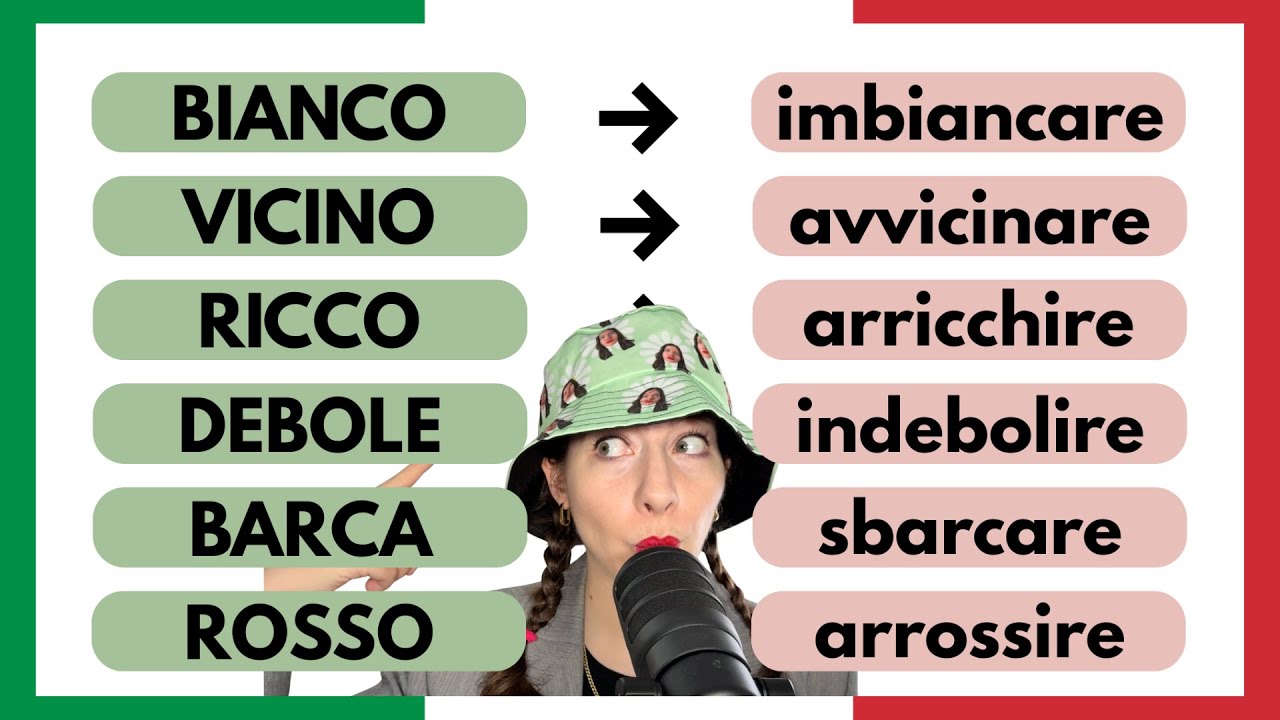
    Have you ever wondered why we say “imbiancare” and not simply “biancare“? Or why the verb “allargare” exists but not “largare“?
    Parasynthetic verbs are a topic you probably never studied in school, but one you use every day without knowing it. You’ll learn how they’re formed, how to recognize them, and most importantly, why they’re so important for enriching your Italian and speaking more naturally and precisely.
    YouTube thumbnail

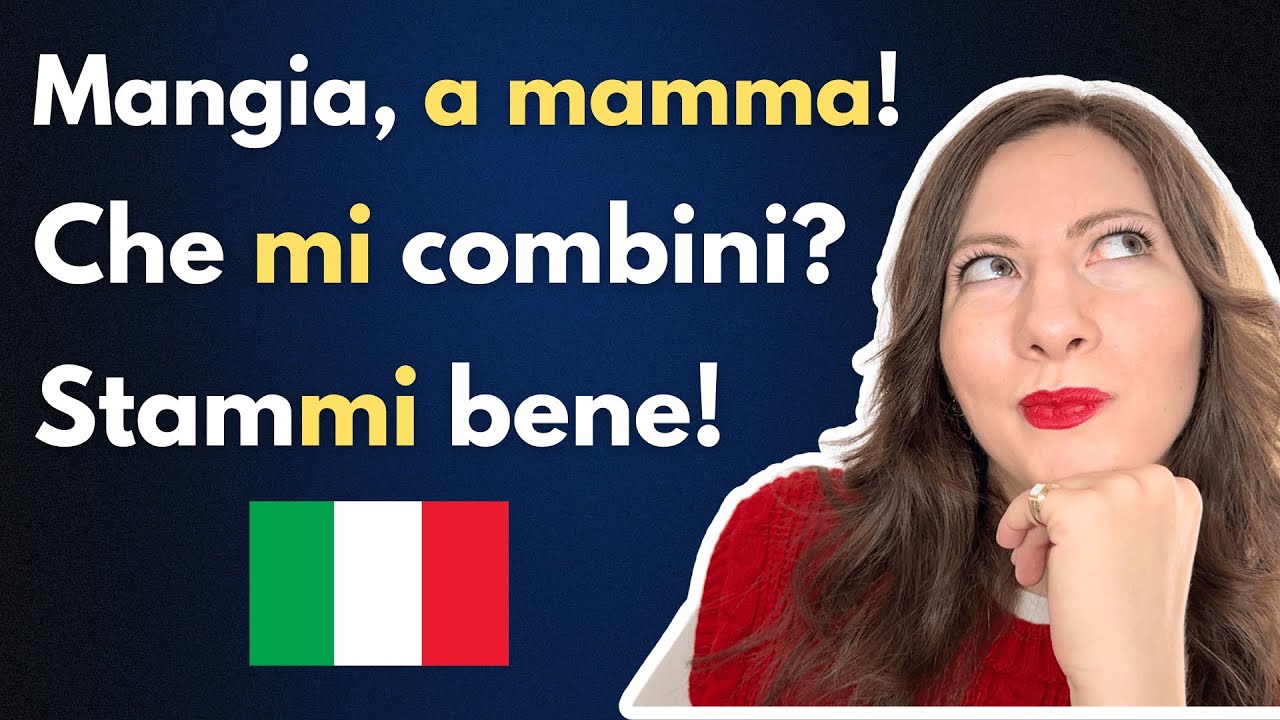
    DATIVO ETICO: Expressing Emotions When You Speak

      Have you ever wondered why Italians say:

      “Ma che mi combini?” [But what are you up to?] instead of “Ma che combini?” [What are you doing?];
      “Mangia tutta la pasta, a mamma” [Eat all the pasta, for mom] instead of “Mangia tutta la pasta” [Eat all the pasta]

      With this guide, you will finally learn to understand and use the DATIVO ETICO [ethical dative], a colloquial grammatical structure typically Italian that will make your Italian much more natural and authentic.

      YouTube thumbnail

      From Zero to Fluent: FREE Resources to Learn Italian Online

        Do you want to improve your Italian without spending a fortune? In this guide, you’ll discover the best free online resources (or almost free!) to learn Italian comfortably from home, from your phone, or wherever you are. Whether you’re a beginner or an advanced student, here you’ll find websites, apps, YouTube channels, and podcasts for every need!

        YouTube thumbnail

        Master the INDEPENDENT Subjunctive: Wishes, Doubts and Commands in Italian

          Have you ever wondered why in Italian we say “Che tu sia benedetto!” [May you be blessed!] or “Magari avessi più tempo!” [I wish I had more time!]? In these cases, the subjunctive appears in sentences that stand on their own, without depending on anything. This is the independent subjunctive, very common in Italian to express wishes, orders, doubts, and suppositions. With this complete guide, you’ll learn to use it like a true Italian native speaker.

          YouTube thumbnail

          The 63 Most Famous ITALIAN GESTURES: Meaning, History and When to Use Them Correctly

          The ability to communicate with hands is the most recognizable characteristic of Italians in the world. Italian gesture language is a true parallel communicative code with ancient origins in Greco-Roman culture, evolved through centuries of linguistic fragmentation of the peninsula.

          Linguists have identified over 250 codified gestures, many of which have become iconic symbols of Italian identity. In this guide we will explore the most famous gestures, discovering the origins, meanings, and usage contexts of this fascinating silent language.

          YouTube thumbnail