Skip to content

CHRISTMAS in Everyday Italian: 12 Must-Know Expressions

    Did you know that Italians talk about Christmas even in the middle of summer? There are many idiomatic expressions related to Christmas that we use every day, at any time of the year. If you don’t know them, you risk not understanding what your Italian friend is saying when they tell you: “Ma che, credi ancora a Babbo Natale?” [What, do you still believe in Santa Claus?]

    YouTube thumbnail

    PARASYNTHETIC Verbs in Italian: List, Examples and Explanation

      Have you ever wondered why we say “imbiancare” and not simply “biancare“? Or why the verb “allargare” exists but not “largare“?
      Parasynthetic verbs are a topic you probably never studied in school, but one you use every day without knowing it. You’ll learn how they’re formed, how to recognize them, and most importantly, why they’re so important for enriching your Italian and speaking more naturally and precisely.

      YouTube thumbnail

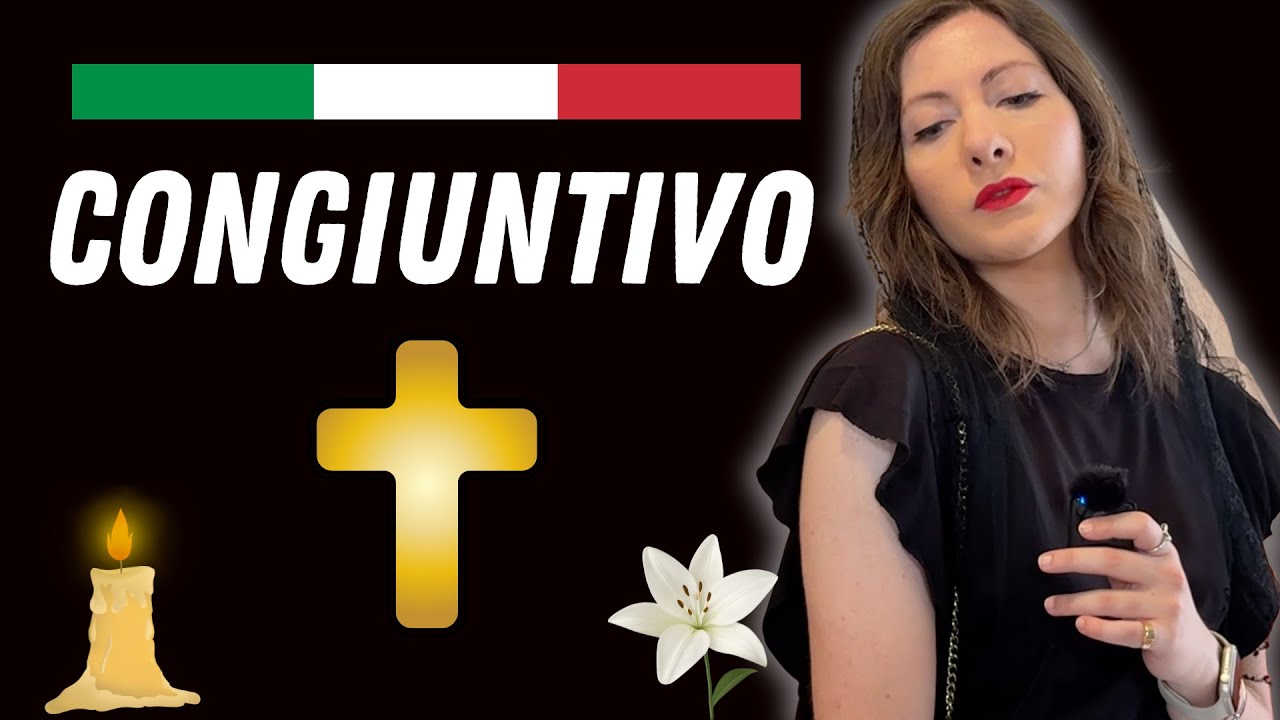
      The Italian Subjunctive: yes or no?

        Does the subjunctive drive you crazy? Do you never know when to use it and when not to? Do you feel insecure every time you have to choose between subjunctive and indicative? Well, don’t worry, you’re not alone! The subjunctive is the number one enemy of all foreigners studying Italian… and of many Italians too, to tell the truth! That’s why I created this definitive guide on when it should be used and when it shouldn’t.

        YouTube thumbnail

        How to Improve Your Italian Accent

          Italian pronunciation represents one of the most fascinating and at the same time challenging aspects for those studying Dante’s language. Students often wonder: “Do I have to completely eliminate my accent?” The answer is simple: accents are beautiful and natural.

          In this comprehensive guide, however, you will discover practical and immediate techniques to perfect your Italian pronunciation, from managing double consonants to the peculiarities of foreign words adapted to our language.

          YouTube thumbnail

          DATIVO ETICO: Expressing Emotions When You Speak

            Have you ever wondered why Italians say:

            “Ma che mi combini?” [But what are you up to?] instead of “Ma che combini?” [What are you doing?];
            “Mangia tutta la pasta, a mamma” [Eat all the pasta, for mom] instead of “Mangia tutta la pasta” [Eat all the pasta]

            With this guide, you will finally learn to understand and use the DATIVO ETICO [ethical dative], a colloquial grammatical structure typically Italian that will make your Italian much more natural and authentic.

            YouTube thumbnail