


There are different types of relationships we can establish: with our partner, our family, our colleagues, or our friends. It might be necessary to specify the relationship we have with these people.
Therefore, in this lesson, we will look at all the useful Italian expressions to describe interpersonal relationships, whether they are positive or negative.
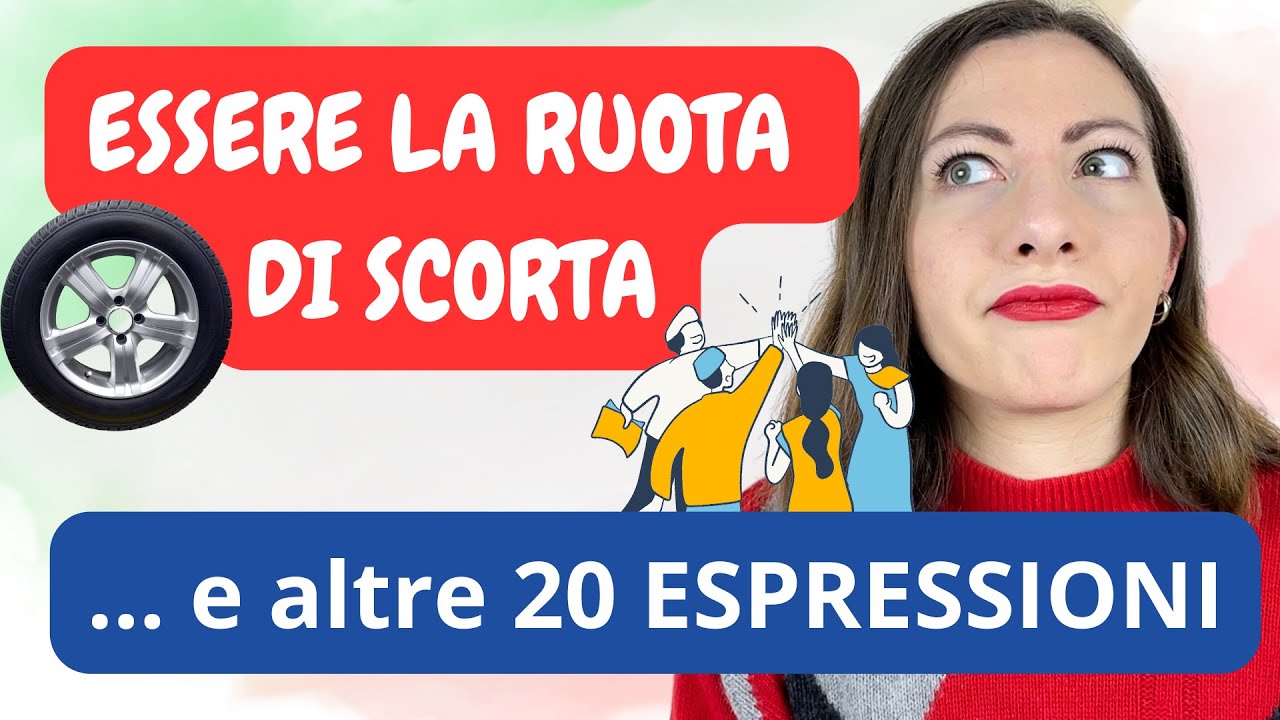
Talking about RELATIONSHIPS with OTHERS in Italian
COMINCIARE CON IL PIEDE SBAGLIATO – to start off on the wrong foot
To start something (an activity or a relationship) with a misstep or mistake, which can compromise the entire process, the relationship, or the attainment of the final objective.
For example:
Abbiamo cominciato con il piede sbagliato: ti prego di accettare questi fiori e di metterci una pietra sopra, affinché possiamo ricominciare da zero senza rancori! [We got off on the wrong foot: please accept these flowers and let’s put it behind us so that we can start fresh without any hard feelings!]
INCONTRARSI A METÀ STRADA / VENIRSI INCONTRO – to meet halfway
To reach a compromise in a relationship, finding an agreement that works for both parties.
For example:
Abbiamo discusso per ore perché le nostre idee erano in contrasto, però alla fine ci siamo incontrati a metà strada e abbiamo trovato una soluzione più o meno soddisfacente. [We argued for hours because our ideas were in conflict, but in the end, we met halfway and found a solution that was more or less satisfactory.]
DARE (QUALCUNO) IN PASTO AI LUPI – to throw someone under the bus / to the lions
Put someone into a very unpleasant or dangerous situation without helping them, leaving them vulnerable to attacks or bad outcomes.
For example:
Avevate combinato quel casino insieme, ma hai preferito dare in pasto ai lupi soltanto lui, dichiarandoti innocente. Sei un pessimo amico! [You made that mess together, but you chose to throw only him to the lions, declaring yourself innocent. You are a terrible friend!]
FARE COPPIA FISSA – to go steady (with someone)
1 – To be in a long-term romantic relationship with someone.
2 – To always be with someone (without being romantically involved): to be seen together often or to spend a lot of time together (two colleagues at work or two people in a group of friends).
For example:
Marco e Giulia ormai fanno coppia fissa: li vedo sempre insieme! Ma è vero che qualche mese fa non si sopportavano? [Marco and Giulia are now a steady couple: I always see them together! But is it true that a few months ago they couldn’t stand each other?]
METTERSI CON (QUALCUNO) – to start dating (someone)
To start romantic relationship with someone.
For example:
Loredana si è messa con lui perché le piaceva la sua personalità. [Loredana started dating him because she liked his personality.]
ESSERE COME CANE E GATTO – to fight like cat and dog
It’s well-known that dogs and cats are seen as archenemies. This expression refers to two individuals who are extremely different from each other, hence they don’t get along at all and constantly argue.
For example:
Da piccoli, Luigi e suo fratello erano come cane e gatto e ne hanno combinate di tutti i colori, ma oggi sono inseparabili! [When they were little, Luigi and his brother were like cats and dogs and got up to all sorts of mischief, but today they are inseparable!]
AVERE UNA SPALLA SU CUI PIANGERE – to have a shoulder to cry on
To have someone you can count on whenever you need to pour out or emotional support.
For example:
Ti senti bene? Puoi raccontarmi cosa ti turba! Lo sai che con me avrai sempre una spalla su cui piangere! [Do you feel okay? You can tell me what’s bothering you! You know that with me, you’ll always have a shoulder to cry on!]
ESSERE IL BASTONE DELLA VECCHIAIA – to be someone’s support in old age
This expression is often used by older people addressing younger ones, especially within family ties (like grandparents and grandchildren).
Be someone’s support in their old age.
For example:
Il direttore ha lasciato l’eredità della sua azienda al nipote più piccolo, che è stato il suo bastone della vecchiaia fino alla fine. [The director left his company’s inheritance to his youngest grandson, who was his support in old age until the end.]
Stop reading Italian.
Start speaking it.
Online lessons in groups of 4, organised by level and goals, with qualified teachers. Pick the day and time that suit you from the available slots.
Max 4 students:
there’s a seat for you
CONOSCERE I PROPRI POLLI – to know other people’s business
To know someone inside out, understanding their character and habits so well that you can predict their behavior in certain situations.
This expression is typically used among people who are very close and have a strong bond, indicating a deep understanding of a person’s character and even being able to anticipate their actions in specific circumstances.
The “chicken” is seen often as a straightforward, unsophisticated animal that behaves in predictable ways.
For example:
È inutile che cerchi di prendermi in giro… Conosco i miei polli! Lo so che sei stato tu a rompere il vaso perché sei sempre distratto! [It’s no use trying to fool me… I know my own business! I know it was you who broke the vase because you’re always so careless!]
ALZARE DEI MURI – to build walls
To put up emotional walls to protect oneself from getting hurt; to show indifference towards others, as one desires no interpersonal connections.
For example:
Da quando la sua fidanzata lo ha lasciato, Marco ha alzato dei muri ed è diventato cinico e indifferente. [Since his girlfriend left him, Marco has built walls and become cynical and indifferent.]
NON AVERE PELI SULLA LINGUA – to not mince words
To say what you mean honestly and directly to someone (close), without holding back.
For example:
Siccome entrambi non abbiamo peli sulla lingua, discutiamo spesso, ma la nostra relazione è basata su fiducia e rispetto. [Since neither of us minces words, we often argue, but our relationship is based on trust and respect.]
AVERE UN DEBOLE PER (QUALCUNO) – to have a fondness / a soft spot for (someone)
To show favoritism towards someone in particular within a group. This is used when someone holds a higher position and tends to favor one or two people over others who are beneath them in status. For example, in a school class, a teacher might have a soft spot for a particular student.
For example:
A scuola prendevi voti alti in italiano solo perché la professoressa aveva un debole per te! Non dimenticarlo! [You got high grades in Italian at school only because the teacher had a soft spot for you! Don’t forget that!]
AVERE AMICI AI PIANI ALTI / CONOSCENZE – to have powerful friends
To network with influential people who can be approached for favors and from whom one can gain benefits.
For example:
Il sindaco riuscirà a evitare il carcere perché ha amici ai piani alti! [The mayor will avoid jail because he has friends in high places!]
PERDERE LA TESTA PER (QUALCUNO) – to fall for someone
To suddenly have strong romantic feelings about someone, which makes you silly and confused. That feeling is so strong that it does not make you focus on anything else.
It’s a bit like “falling in love,” but it emphasizes the idea that one almost forgets everything else.
For example:
Da quando ha perso la testa per quella ragazza, Paolo non esce più con gli amici e ha perso quasi tutti i clienti. [Since he fell head over heels for that girl, Paolo no longer goes out with his friends and has lost almost all of his clients.]
FARE IL GRANDE PASSO – to take the leap
Literally meaning “to make an important, decisive decision,” jokingly in the context of relationships, it is used to mean “to tie the knot,” or “to get married.”
For example:
Dicevi sempre che non ti saresti mai sposato… e invece eccoti qui pronto a fare il grande passo! Come si cambia nella vita! [You always used to say that you would never get married… and yet here you are, ready to take the big step! How life changes!]
NON ESSERE ALLA PORTATA DI (QUALCUNO) – to be beyond someone’s capabilities/means/worth
To feel inadequate compared to someone else. That person is unattainable due to qualities that make them seem “out of reach” (too beautiful, too wealthy, too famous, too intelligent…).
For example:
Pensavano tutti che l’amministratore delegato non fosse alla sua portata, invece la segretaria è diventata sua moglie. [Everyone thought the CEO was out of her reach, but instead, the secretary became his wife.]
FARE I PICCIONCINI – to be all lovey-dovey
Description of two people who are crearly in very much in love with each other.
For example:
Smettetela di fare i piccioncini e dateci una mano! Non siete mica in luna di miele! [Stop being all lovey-dovey and give us a hand! You’re not on your honeymoon, you know!]
ESSERE AI FERRI CORTI – to be at each other’s throats
To have an intense conflict with someone: the relationship is on the brink after a heated argument or dispute that escalated significantly.
For example:
Roberto e suo fratello sono ai ferri corti da quando hanno litigato per l’eredità. [Roberto and his brother have been at odds since they argued over the inheritance.]
ESSERE LA RUOTA DI SCORTA – to be the backup
To be on the sidelines in a group or for a person, generally overlooked or disregarded; to be someone only sought out as a last resort or when no better alternatives are available.
For example:
Mi chiami solo quando nessun altro può uscire con te! Sono stanca di essere la tua ruota di scorta. Non possiamo più essere amiche! [You only call me when no one else can go out with you! I’m tired of being your spare wheel. We can’t be friends anymore!]
COMANDARE A BACCHETTA – to boss around
To assert authority and issue commands to someone in a domineering and authoritarian manner, without the other person complaining or rebelling.
For example:
Lorenzo comanda a bacchetta tutti i suoi dipendenti, però nessuno si lamenta perché tutti ricevono uno stipendio adeguato. [Lorenzo bosses all his employees around, but no one complains because everyone receives a decent salary.]
ESSERE SULLA STESSA LUNGHEZZA D’ONDA – to be on the same wavelength
To be in perfect harmony, sharing thoughts, interests, and feelings with someone.
For example:
Io e Angela siamo sempre sulla stessa lunghezza d’onda: per questo siamo amiche da più di 10 anni! [Angela and I are always on the same wavelength: that’s why we’ve been friends for over 10 years!]
Book Italian classes with me on italki.
If you enjoyed these expressions and now you are curious about discovering common Italian office expressions, you might want to check out the dedicated lesson on this topic.
Want the lesson PDF with exercises and solutions?
Join the LearnAmo AcademyCaricamento quiz in corso…
Podcast: Play in new window | Download (Duration: 17:33 — 24.3MB)
Iscriviti: Apple Podcasts | Spotify | Android | iHeartRadio | Podcast Index | TuneIn | Deezer | RSS | Altri...